

Energy and water consumption in tourism businesses between 2021 and 2023
Tourism is, more often than not, an intensive consumer of resources, with water and energy being two of its most significant demands. Monitoring their usage throughout the years is essential for identifying trends, targeting areas for improvement and working toward a more sustainable future for the tourism industry.
Between 2021 and 2023, annual water and electricity consumption data were collected from a sample of tourism companies. This initiative aims to understand how these vital resources are used and to continuously improve efficiency and introduce sustainable practices.
The presented data was provided by 6 accommodation providers operating in Bohinj. These businesses represent a diverse sample of the sector, including hotels, hostels, private rooms, apartments, and campsites. Their experiences and data offer insights into the challenges and opportunities for a smarter use of resources.
Water consumption between 2021 and 2023

At first glance, the data on water consumption from tourism companies in Bohinj between 2021 and 2023 shows a clear trend of increasing usage. However, without specific metrics such as water consumption per guest, interpreting this data requires careful contextualization.
One factor that contributed to this increase is the significant rise in overnight stays. Between 2021 and 2023, Bohinj experienced a 41% increase in overnight stays, a growth largely attributable to the easing of restrictions following the COVID-19 pandemic. For a detailed breakdown of key statistics, see here. This surge in overnight stays naturally led to greater resource usage, reflecting the return of tourism activity to pre-pandemic levels.
Other contributing factors may include the expansion of service offerings and operational changes that may have influenced consumption patterns.
Electricity consumption between 2021 and 2023

Electricity consumption data between 2021 and 2023 shows more variation compared to water consumption. For four out of six companies, the highest electricity consumption was recorded in 2022. While consumption slightly decreased in 2023, it generally remained higher than in 2021 for most companies.
These fluctuations can be attributed to several factors. The increase in overnight stays during this period played a role in driving up energy usage. However, electricity consumption is also highly weather-dependent and 2022 was marked by a particularly dry and hot summer, leading to a more intensive use of air conditioning.
Regarding the stable or reduced consumption observed for some companies across the years, it may reflect the adoption of energy-efficient practices. Examples include the replacement of old electrical appliances, improvements to heating systems, or even behavioral changes by staff and guests.
Measures to reduce environmental impact
These tourism providers also shared the measures they’ve adopted to reduce water and energy consumption and to minimize the overall environmental impact of their operations
Measures to reduce water consumption

Companies have mentioned implementing the following measures to reduce water consumption:
- Installing aerators in bathroom and kitchen faucets to reduce water flow.
- Upgrading to water-efficient appliances, like dishwashers, to optimize water use.
- Placing notices and nudges in visible areas to encourage guests to be mindful of their water consumption.
- Introducing policies to reuse towels, with guests encouraged to keep towels for multiple uses rather than requesting daily replacements.
- Minimizing linen changes for short-stay guests to conserve water, energy, and detergents.
Notices promoting water conservation, such as cards or stickers in rooms, are used by most entities. These are a positive step; however, their impact remains very limited if not complemented by more robust technical and operational measures. It’s by combining efforts and solutions that meaningful water savings in the tourism sector can be achieved.
It is worth highlighting that four out of six companies actively invite guests to reuse towels or maintain a standard practice of not changing towels daily. The remaining two companies do not adopt this measure, one of which is a campsite, where this practice is not relevant due to the nature of its services.
On another note, most companies have also made efforts to inform guests about the quality of local water by informing them that tap water is drinkable, reducing the need for bottled water and contributing to overall sustainability goals.
The chart illustrates the measures that tourism providers use to raise guest awareness about water consumption. The most frequently mentioned measure is informing guests that the water is drinkable, which is implemented by 83.3% of the surveyed entities. This emphasizes the importance of guest awareness about water quality and the possibilities for its responsible use. Notices about water conservation on cards or stickers, as well as messages encouraging guests to reuse towels, are used by 66.7% of entities. These measures reflect efforts to reduce unnecessary water consumption by making guests mindful of their actions during their stay.
Approximately half (50%) of the surveyed entities serve tap water, which is particularly significant for catering providers. This practice highlights confidence in the quality of tap water and promotes a sustainable alternative to bottled water.
Measures to reduce electricity consumption

Businesses have also implemented various strategies to reduce electricity consumption. All largest accommodation providers installed a system that cuts off energy usage when the guest is not in the room, typically through the use of room “keys”. This solution is highly effective in preventing unnecessary electricity consumption when rooms are unoccupied. Two entities have placed notices and nudges in visible areas, encouraging guests to turn off lights and use energy responsibly. Another notable measure is the use of heat pumps, which were implemented by two entities.
Other measures are less commonly adopted, but still demonstrate a focus on sustainability. Including, the installation of solar panels to generate electricity, providing a renewable energy source for the business.
Measures to reduce carbon footprint

Tourism businesses in Bohinj are also taking steps to reduce their environmental impact in other areas than water and electricity consumption. The most frequently mentioned measure is waste separation within the company, adopted by 100% of the surveyed entities. Promoting public transport and hiring local residents is a focus for five entities. Four entities are actively working to minimize food waste, while three integrate sustainable practices such as sourcing local food and providing waste separation directly in rooms. Less common measures include electric vehicles, solar power plants, solar panels for water heating, rewarding guests who arrive without a car, and drinking fountains to refill reusable water bottles.
The First Mile Project and its behavioral solutions to reduce resource waste
The measures implemented by tourism entities in Bohinj demonstrate a commitment to reducing their environmental impact, but there is always room for further improvement. Since 2024, the First Mile Project, co-funded by the European Union, has been supporting 20 businesses from the Julian Alps in testing innovative behavioral solutions to enhance their sustainability practices.
Behavioral science reveals that resource waste can be reduced by influencing guest behavior. Guests rarely waste water or energy intentionally, it is simply not at the top of their mind since they are in vacation-mode, prioritizing relaxation and fun. Unfortunately, small actions, like leaving windows open with the heating on or leaving the air conditioning on, struggling with unfamiliar taps and longer showers can quickly add up in a destination like Bohinj with more than 800,000 overnight stays per year. However, simple solutions, designed with the knowledge of how guests behave and the key areas where wasteful behaviors happen, can effectively limit resource waste.
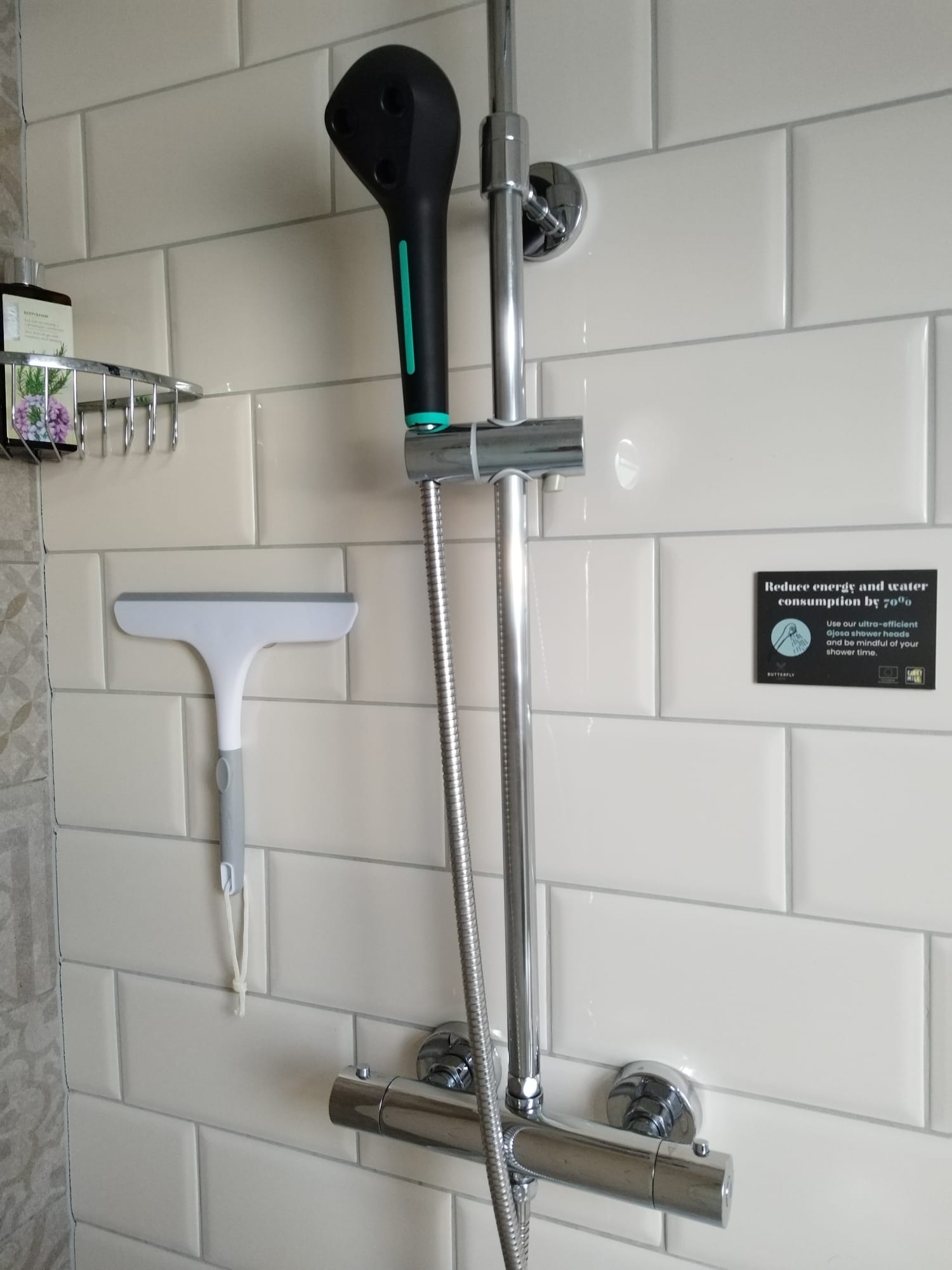
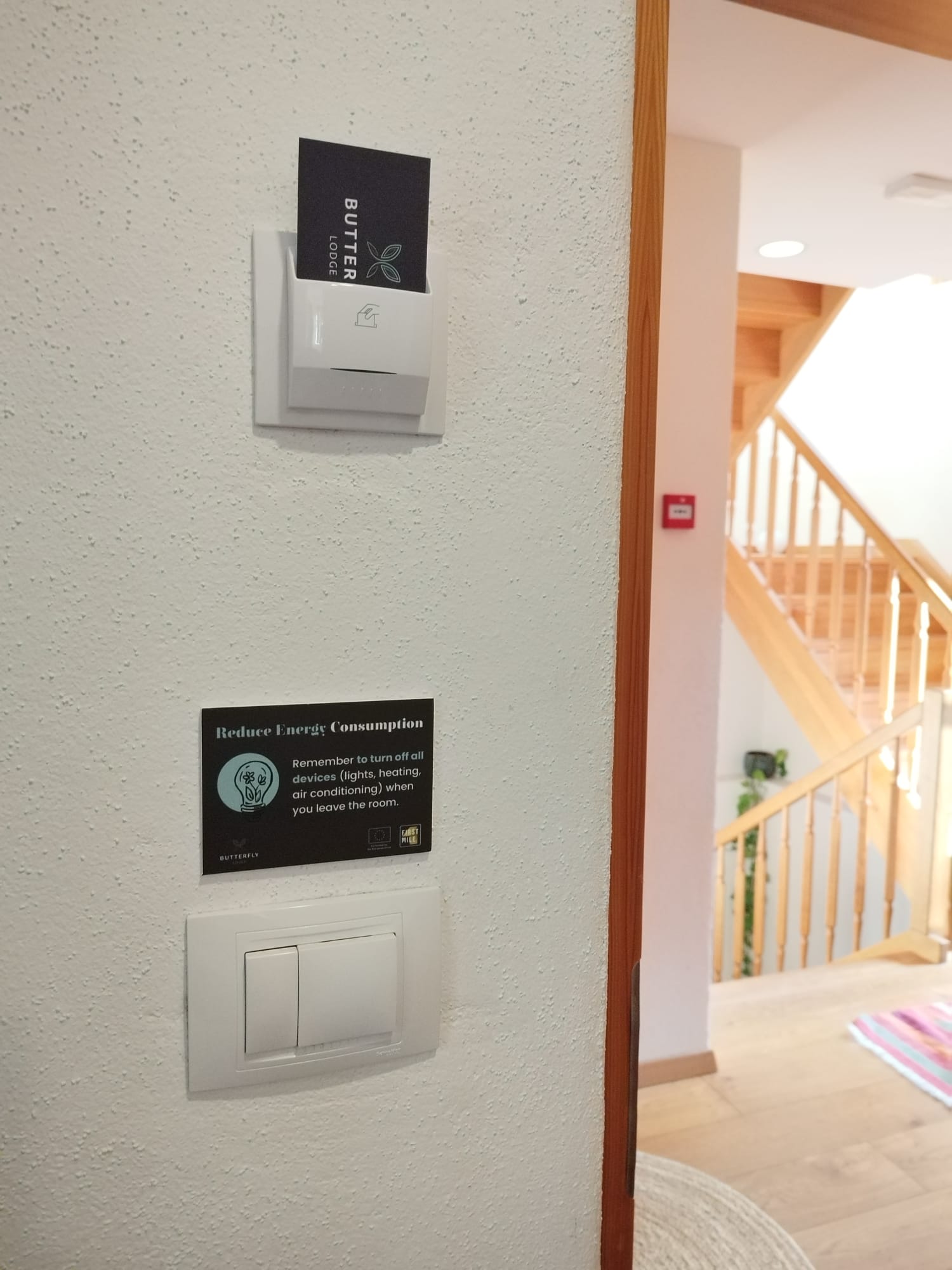
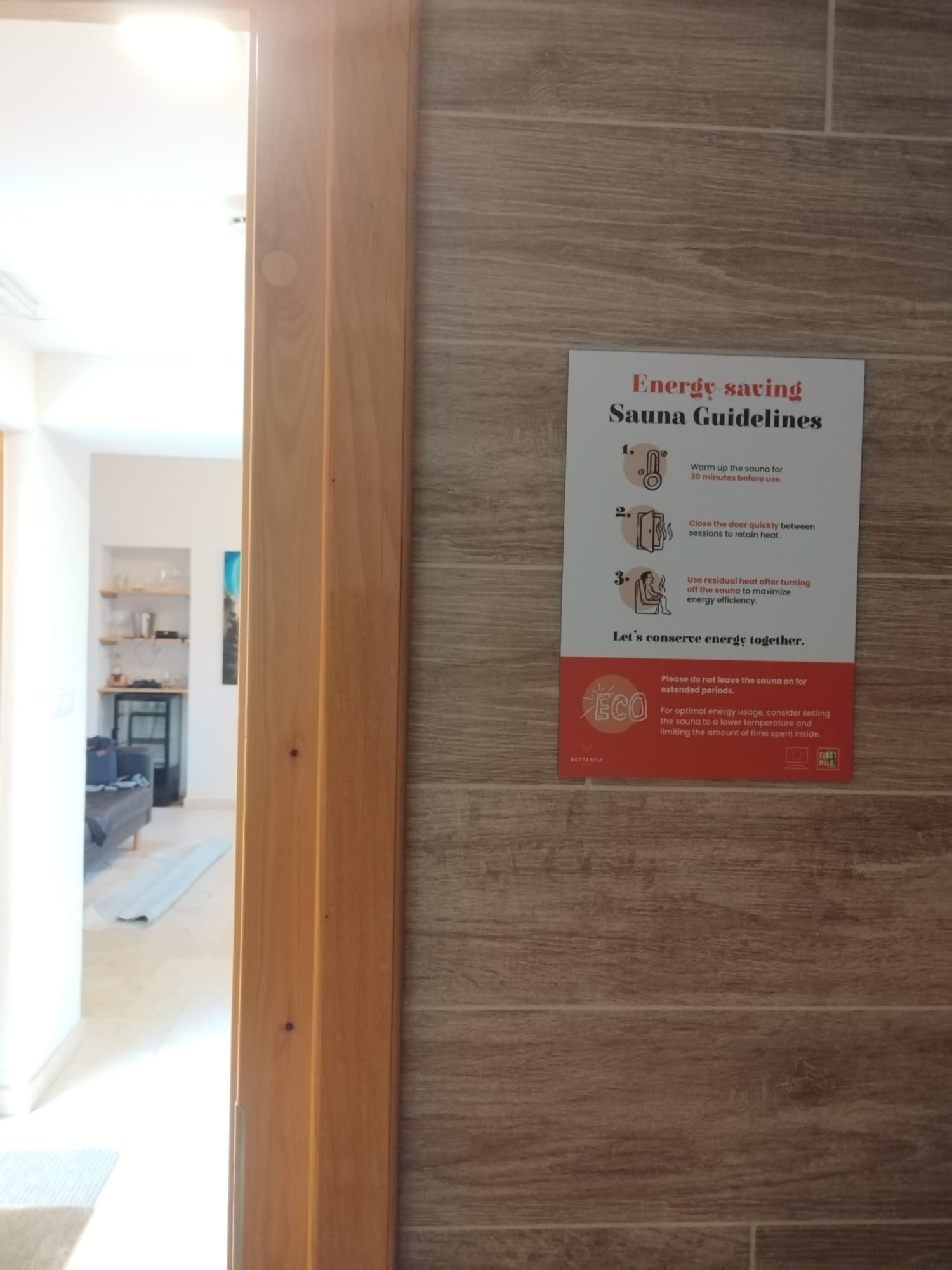
The lodge implemented multiple measures to address resource consumption. In particular, they replaced traditional shower heads with water-saving models, leading to a 31.38% reduction in water consumption per guest. They’ve also placed energy-saving signage and instructions near areas like fireplaces, radiators, and saunas. Following which, they’ve observed a 25.5% reduction in energy consumption per guest, as well as a major decrease in equipment damage costs.
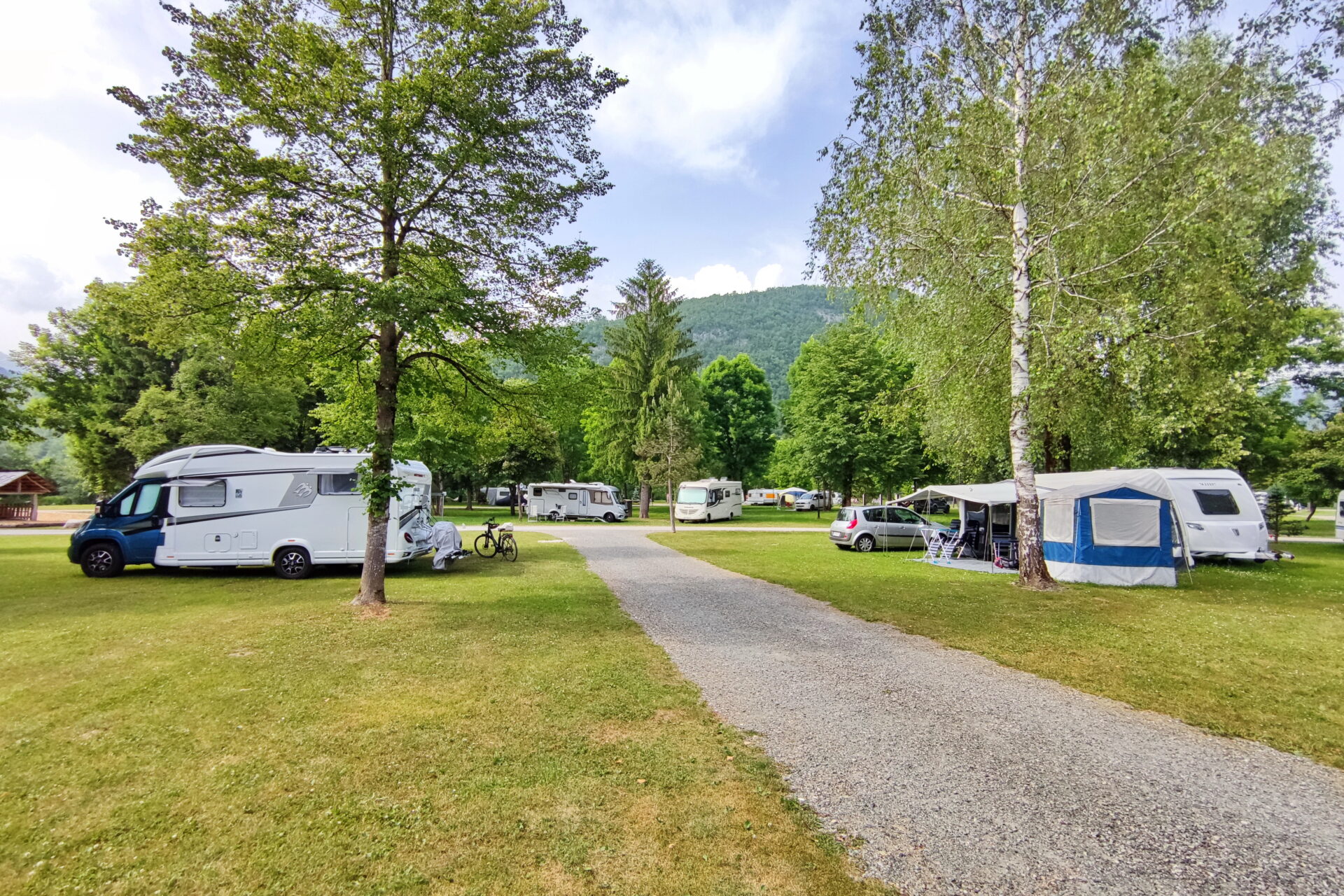
To promote a more responsible use of water among campers, Danica installed a free-to-use dishwasher operated with tokens provided to everyone at check-in. This initiative contributed to the reduction of water consumption by 15% during the summer, with the dishwasher used over 1,000 times within two months of installation.
Pr’Bukovič Hostel (Pac Sports)
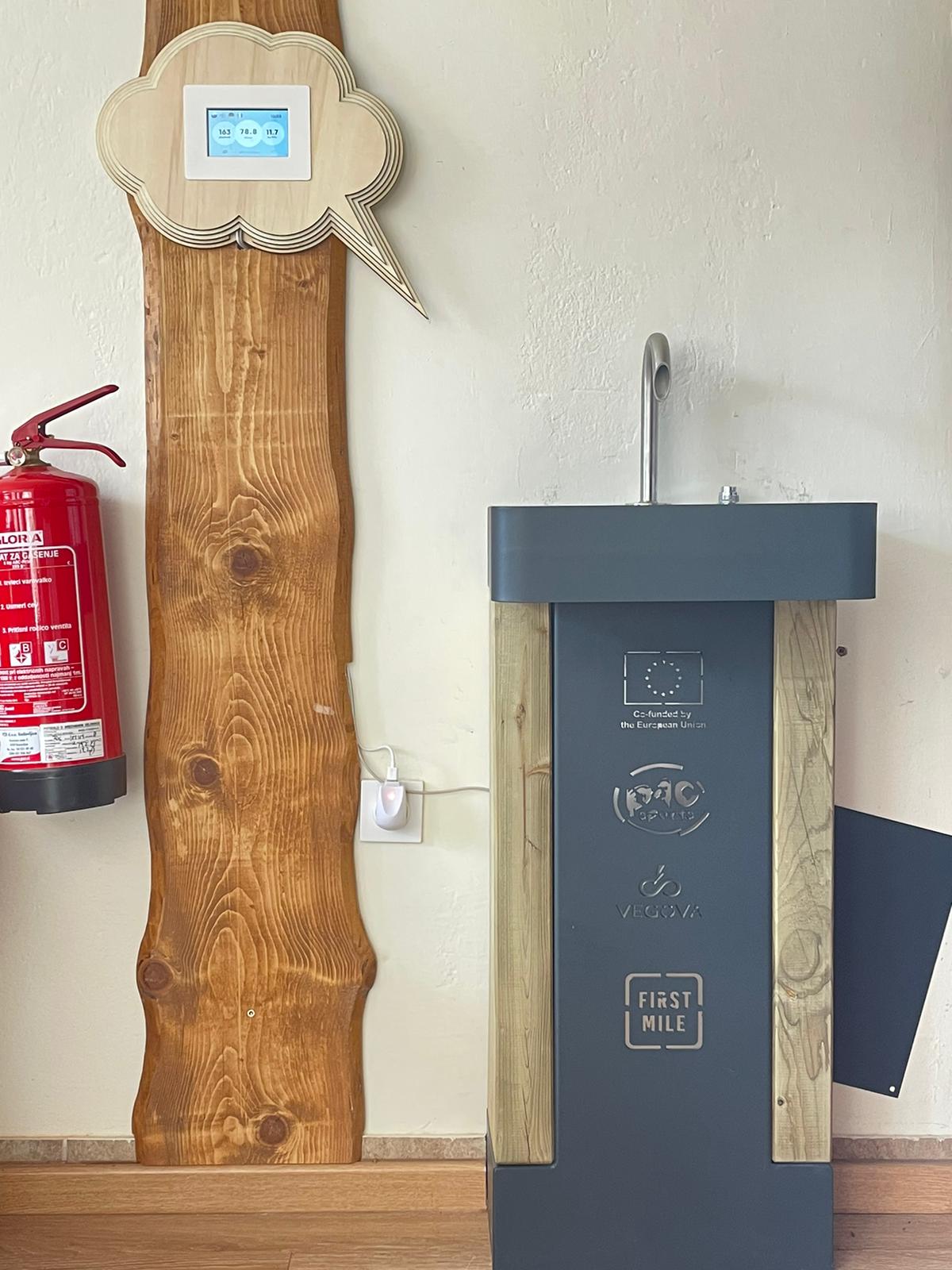
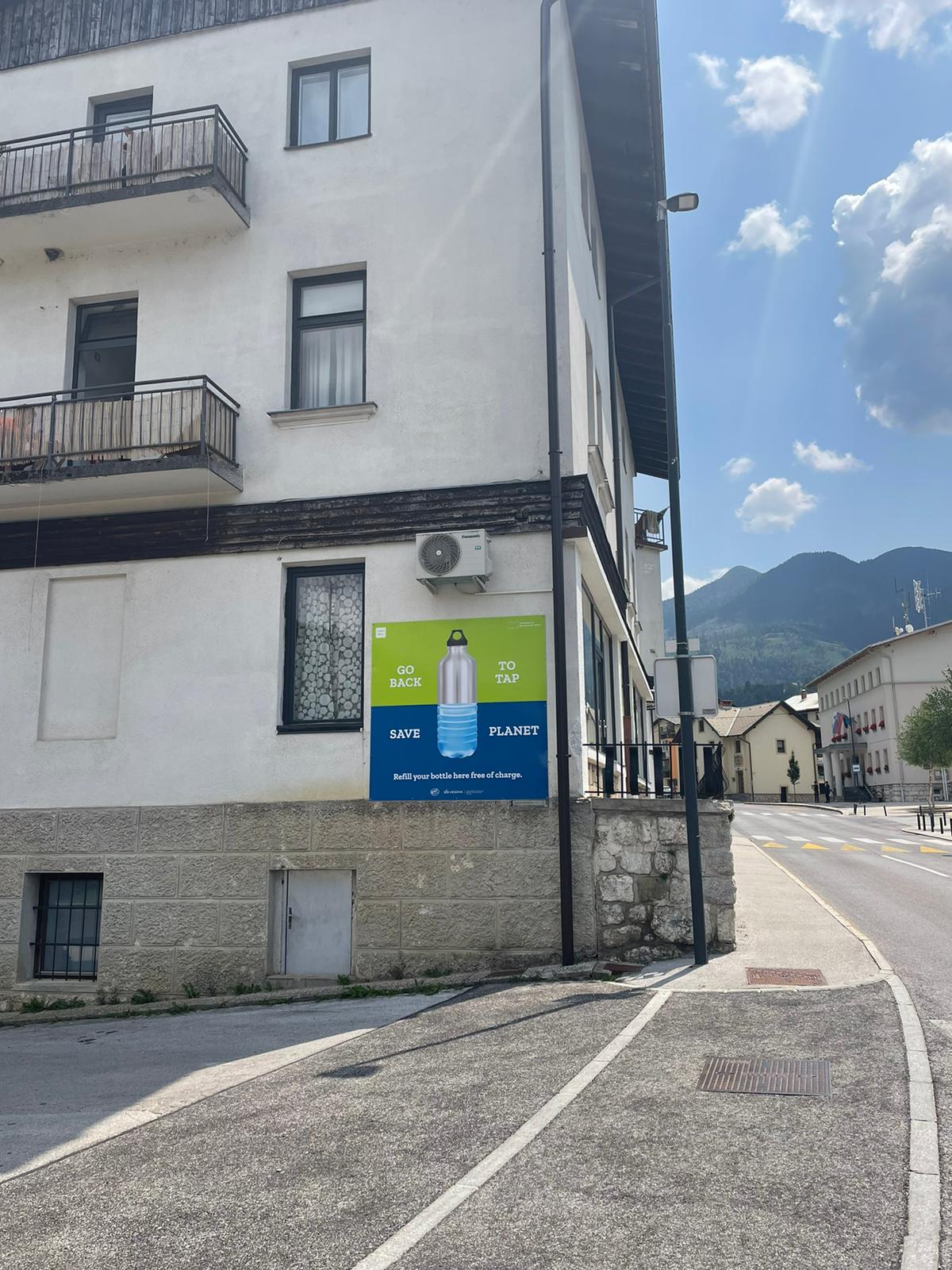
PAC Sports focused on promoting tap water to reduce the need for single-use plastics. A water fountain was installed at the reception, along with signage on the building inviting both guests and the public to refill their reusable bottles. It dispensed over 600 liters in just two months. Additionally, PAC Sports has also placed nudges encouraging guests to save water and electricity throughout the property.
Other Solutions from the First Mile Project
Beyond these examples, the First Mile Project has developed other solutions to address energy and water efficiency, as well as to promote sustainable mobility, reduce waste and promote local food. For more information on the First Mile Project, visit the project’s website.

