
The First Mile Project – A Top100 story
On 28th October 2026, Green Destinations presented the Top 100 Green Destinations Stories awards. We are proud to announce that Bohinj is among the awardees, alongside nine other Slovenian destinations: Krško, Jeruzalem, Ljubljana, Moravske Toplice, Radle ob Dravi, Rogla – Pohorje, Šaleška Valley, Škofja Loka, and Kranj. This recognition confirms Slovenia’s position as a leading country in sustainable tourism once again this year.
The story submitted by Tourism Bohinj was selected in the Visitor experience & Destination management category, you can read it below. The whole 2026 Top 100 list is also available on the Green Destinations website.
"The First Mile project: How small tourism businesses became drivers of change"
Destination and Context
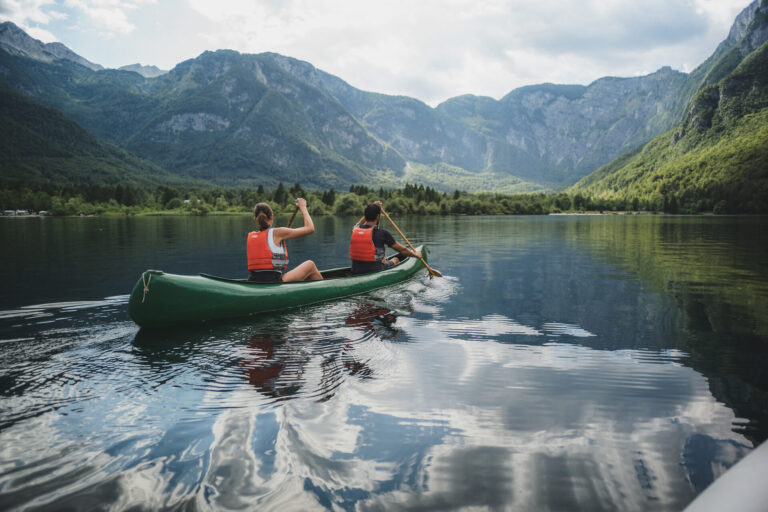
Bohinj is a place where nature shapes everyday life. Surrounded by mountains, forests, traditional villages, and the crystal-clear waters of Lake Bohinj, this area has long been shaped by the close relationship between people and their natural environment. Farming, forestry, tourism and outdoor recreation have evolved together, creating the landscape visitors experience today, a landscape that is both protected and lived in.
But Bohinj is not an island. The municipality itself is small, and visitors never come to Bohinj only; they explore Triglav National Park, hike the peaks of the Julian Alps and cycle between valleys. They discover one region with a shared natural and cultural heritage, even recognized as a UNESCO Biosphere Reserve. Few notice when they cross from one municipality to another. The mountains, rivers, and visitor flows certainly do not.
Aware of this reality, Bohinj works closely with neighboring destinations through the Julian Alps Association. Each destination has its story, but they share the same environment and many of the same challenges. Together, they make one of Slovenia’s most visited regions, with millions of visitors from around the world, but also a common responsibility towards the exceptional environment tourism depends on.
Why change was needed
The destinations of the Julian Alps have already made sustainability a priority. Through destination strategies, joint initiatives, and the Slovenia Green certification scheme, the region has established itself as a leader in sustainable tourism. But one question kept coming back: how much of this work actually reaches the businesses that visitors interact with every day?
Tourism in the Julian Alps relies on hundreds of small accommodations, restaurants, attractions and activity providers. Together, they shape the visitor experience and influence countless daily decisions. While a handful of businesses have become sustainability champions, many others remain on the sidelines. Not because they do not care about sustainability, but because they lack the time, resources, or practical guidance to take action. Many are even already doing things that are sustainable, without necessarily calling them that, because “sustainability” often feels complicated and disconnected from the realities of the smaller businesses.
But to continue reducing the negative impacts of tourism, we needed to find a way to involve these businesses, because we believed that a major opportunity for change lay there. Yet reaching them goes beyond the usual role of destination management, which rarely extends into the day-to-day operations of businesses. We knew it would require a different approach; something more practical, more doable, and closer to their reality.
What we set out to do
We did not set out to create sustainability champions overnight. Instead, we just wanted to help businesses take a first step and demonstrate that meaningful change can start small. We believed that helping more businesses implement simple improvements could ultimately have a greater impact than focusing only on a few frontrunners who had already made significant progress.
If one accommodation reduces its water consumption, the impact may be modest. If dozens—or eventually hundreds—do the same, the collective effect becomes much more significant, reducing pressure on natural resources and local infrastructure alike.
And we knew that there were many actions that businesses could take immediately, without large investments or complex certification processes. This would not replace the need for those bigger, long-term sustainability efforts, but it focused on what could be done now.
The first steps. The first miles.
While we were convinced by this idea, turning it into some kind of business support program felt overwhelming for our small DMO. We simply lacked the resources, expertise, and capacity to develop something like this on our own.
How change happened
The opportunity to turn the idea into reality came through the First Mile project, a European cooperation project.
For Bohinj and the wider Julian Alps, it was a rare opportunity. Not only did it provide funding, but it also gave us access to expertise and partners willing to explore a common challenge together. The collaboration started during the preparation of the project proposal in 2022, bringing together six organizations, including one specialized in behavioral science, which, for us, was a completely new field, but it immediately resonated with the challenge we were trying to tackle. Instead of focusing first on infrastructure investments or technical solutions, behavioral science offered a way to better understand how people make decisions and how small changes in communication, presentation, or choice environments can influence behavior. It sounded practical and realistic, but at the same time almost too good to be true.
The project officially started in 2023. The first year was largely dedicated to preparation. Together with our partners, we designed a support program, defined how businesses would be selected, the role they would play, how they would be supported and the progress monitored.
At the same time, we were learning ourselves. Through workshops with the behavioral experts, we were introduced to concepts such as social norms, framing, choice architecture, and nudging, and began exploring how these ideas could be applied in tourism. The more we learned, the more relevant the approach seemed. After all, many sustainability initiatives ultimately depend on behavior. A business can install new equipment, but guests still need to use it. Information can be provided, but people still need to pay attention to it. Behavior of the end user is what determines whether these efforts succeed or fail.
Once the framework had been developed, we launched an open call for tourism businesses. The program involved 20 businesses in France, 20 in Norway, 20 in Italy, and 20 in the Julian Alps. In our case, participation was intentionally opened to the entire Julian Alps rather than being limited to Bohinj. It felt like a natural choice, reflecting the way we already cooperate through the Julian Alps association. We saw it as an opportunity to create a new level of cooperation, not only between destination managers but also between businesses, encouraging the exchange of ideas and good practices.
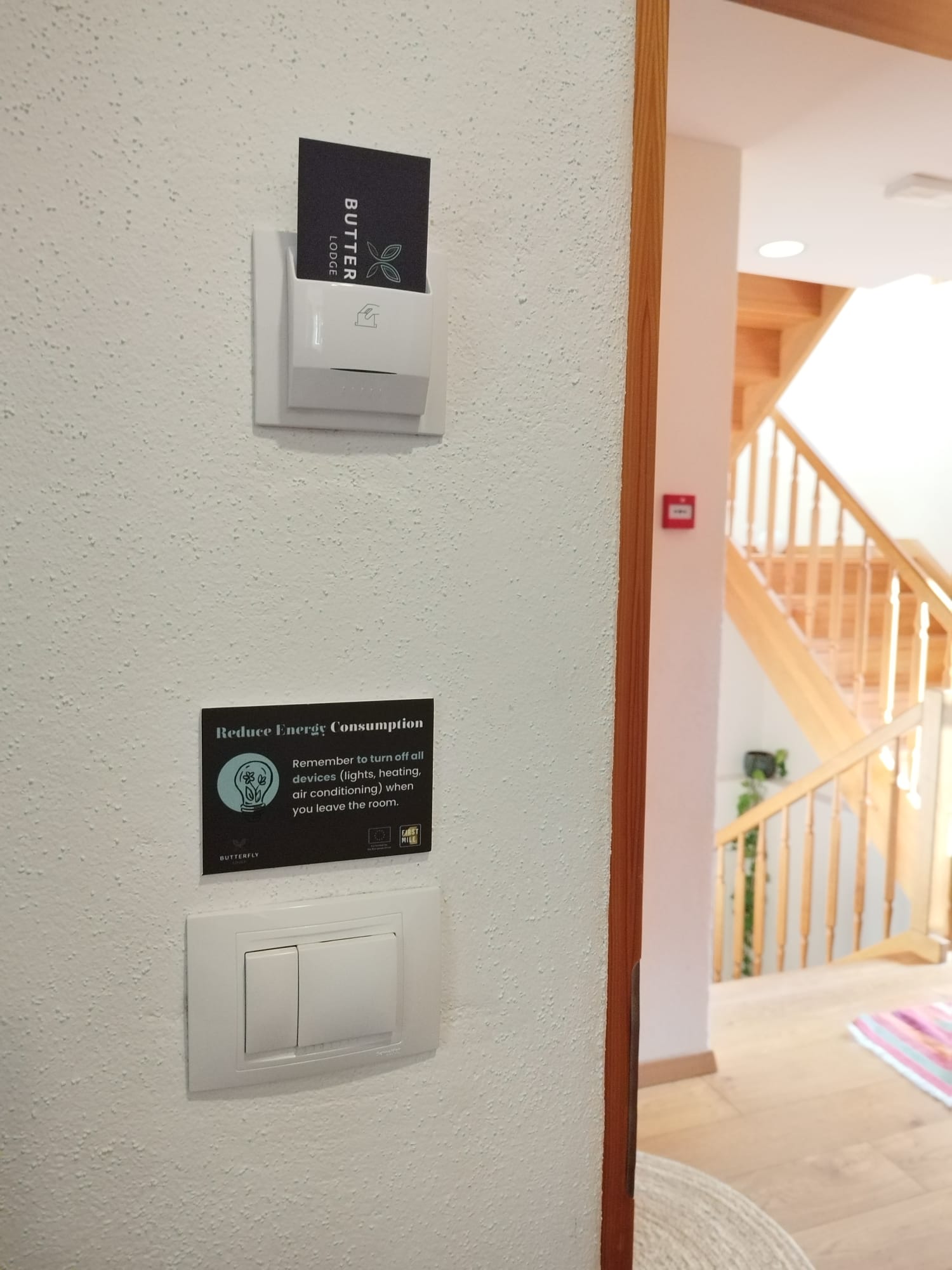
Twenty businesses were selected, representing a diverse mix of sizes and activities. Some were already engaged in sustainability and held certifications, while others were taking their first formal steps. Participation came with financial support, coaching and training over a two-year period. One principle guided the program from the beginning: businesses would not be told what to do. Together with the behavioral experts, we did develop training materials, practical examples, and a library of potential interventions, but participation was never about implementing a predefined set of measures. Instead, businesses were encouraged to identify the challenges most relevant to their own operations and choose the areas where they wanted to experiment. For some, that meant reducing water or energy consumption. For others, it involved waste reduction, local food sourcing, plastic reduction, or encouraging more sustainable mobility choices.
Over two tourism seasons, businesses put their ideas into practice, exchanged experiences, and learned from one another. The process was designed around testing and learning, with results tracked throughout the project to generate insights and inform improvements between seasons.
What we achieved
The breakthrough was not a single intervention or an impressive result. It was proving that small tourism businesses could become active partners in the sustainability transition when given the right support, tools, and freedom to experiment. Rather than acting primarily as a promoter or coordinator, we, as a DMO, became a partner in improvement and innovation.
The results demonstrated the potential of this approach.
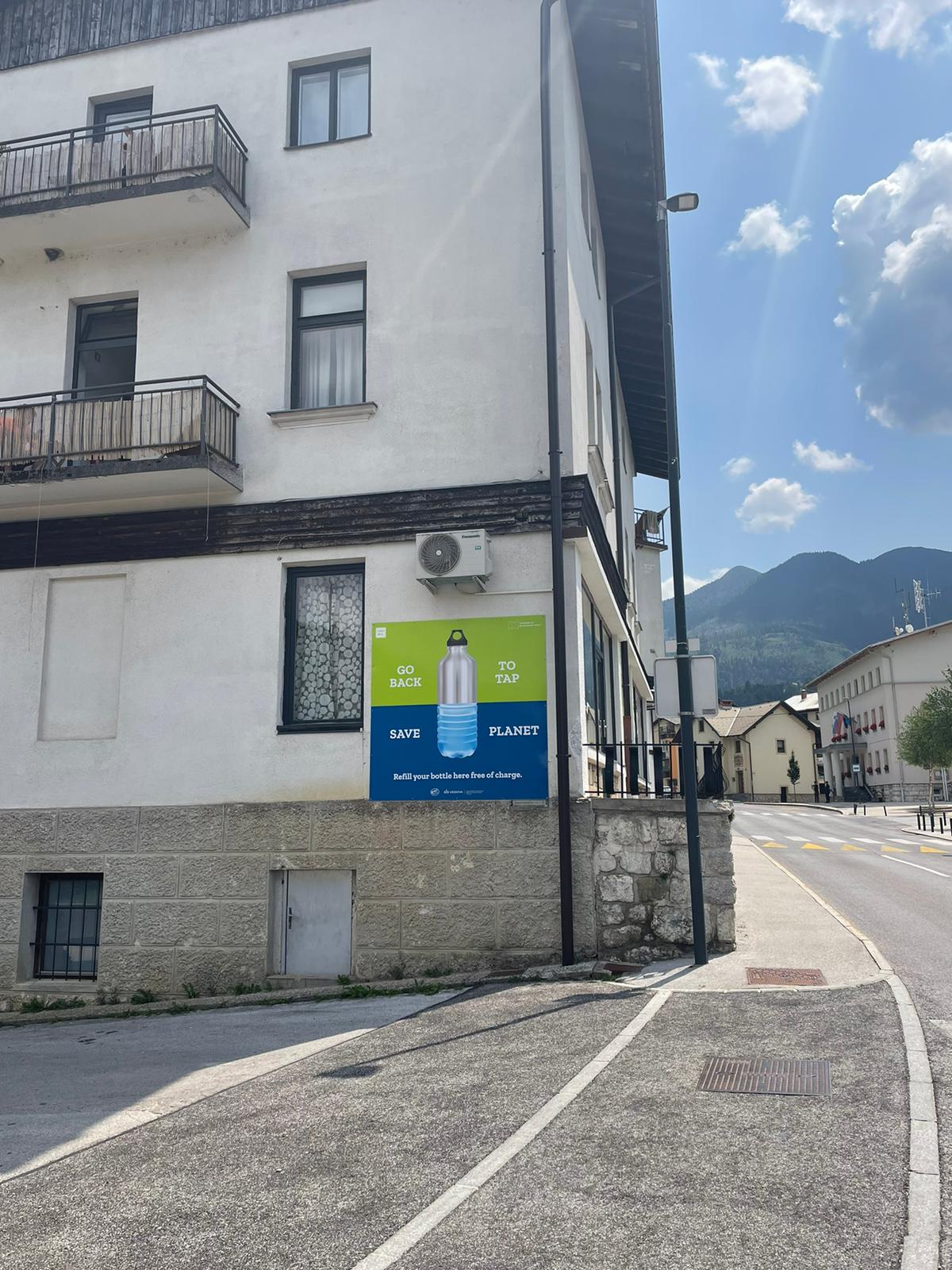
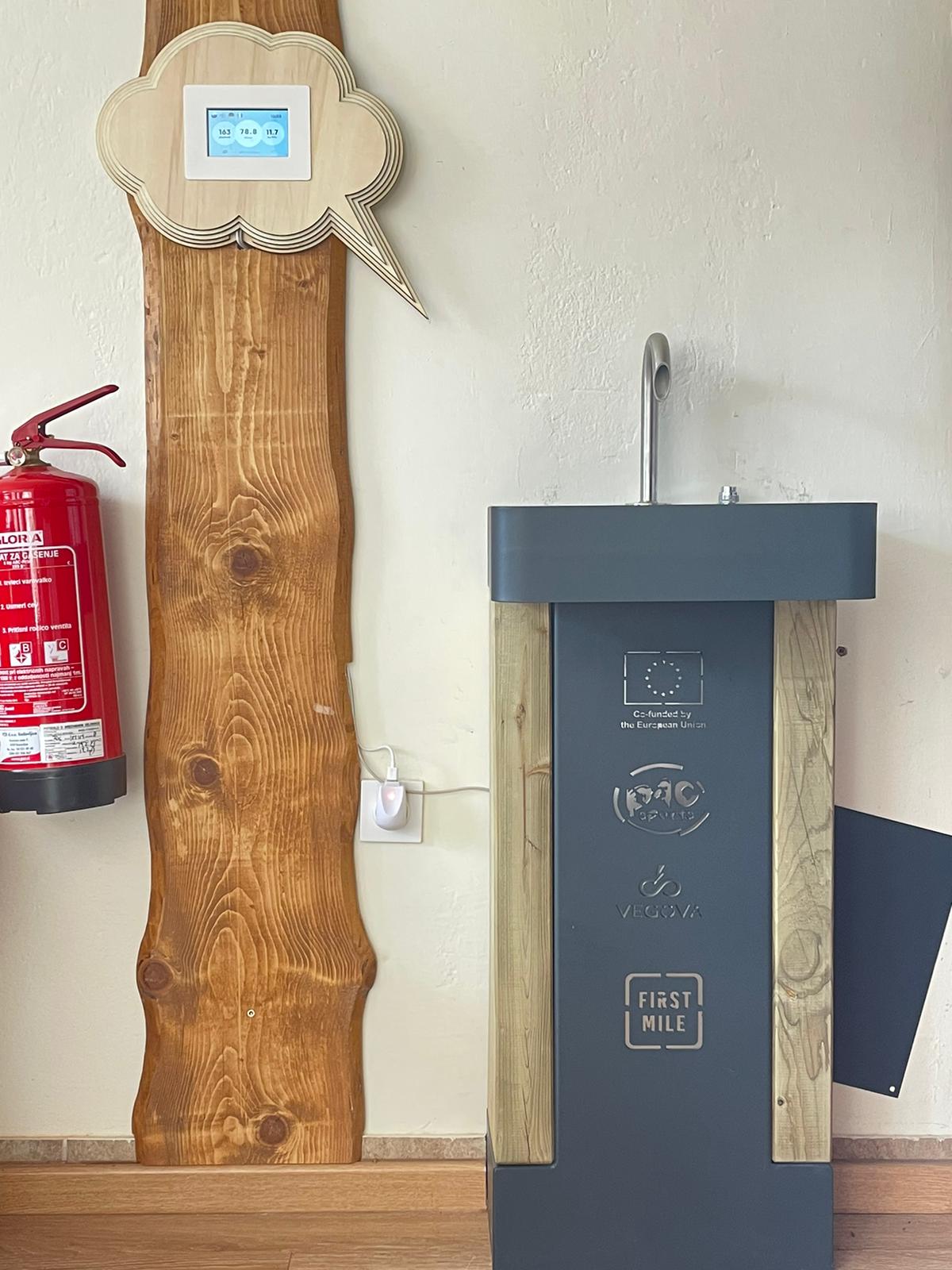
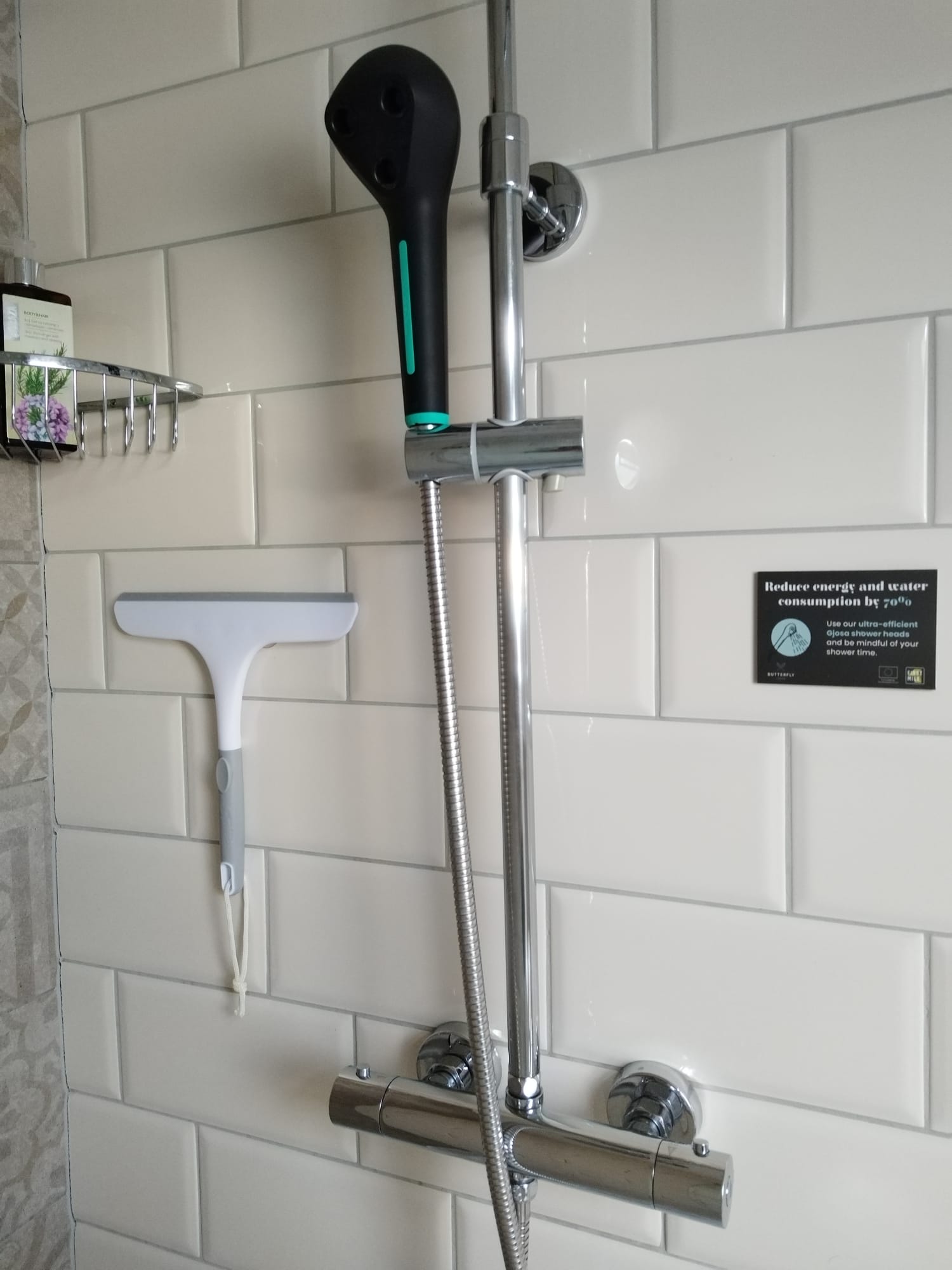
Some businesses reduced water consumption by up to 30%. Hundreds of reusable water bottles were refilled instead of replaced by single-use plastic bottles. More visitors chose to cycle, clearer recycling systems helped divert waste from residual bins, and several businesses reported financial savings alongside environmental benefits.
Financial support undoubtedly helped attract businesses to the program. But what kept them engaged was the behavioral approach behind it. None of the interventions were revolutionary. Their strength lay in being practical, affordable, and grounded in an understanding of how people actually make decisions.
Monitoring also became one of the most valuable outcomes of the project, giving businesses a more tangible sense of the impact of their actions and, for many, an important first step in itself.
What started as a series of small experiments with twenty businesses gradually evolved into a community of practice. Businesses exchanged ideas, discussed challenges, and learned from one another, both within the Julian Alps and with participants from the other countries. In the end, the project provided a solid foundation for continuing this work beyond the pilot phase and moving closer to the collective change we had envisioned.

What we learned and what others can learn
Many businesses are willing to try new things but hesitant to invest their limited time and money when the outcomes are uncertain. Financial support therefore played an important role, creating a safety net that allowed them to experiment without the fear that failure could become a financial burden. Still, this alone was not enough to bring businesses into the project, especially smaller ones. Most are not used to such programs, and European projects can sound quite intimidating. We anticipated this when designing the support program, and kept it as simple as possible, with minimal paperwork and a strong focus on real-world implementation.
One of the biggest gaps we encountered was monitoring, as many businesses did not have a baseline or any structured way of tracking their own resource use, waste, or visitor and staff behavior. Before talking about change, we had to start with measurement itself, identifying appropriate methods and setting up basic systems, which in some cases required more effort than the interventions themselves.
Looking back, the project was as much about learning as it was about action. Behavioral science became useful not only for businesses, but also for us as destination managers. It shifted how we think about behavior: instead of focusing on “wrong” choices, we began asking whether information was clear, whether the better option was easy to choose, and whether the experience itself supported the desired behavior.
Lasting impact
The First Mile project did not end with the pilot phase. Most businesses have continued using the solutions they developed, and interest has grown beyond the initial participants, with other businesses asking to join or apply similar approaches in their own operations. At destination level, the project also influenced how we work. Behavioral science is now increasingly used when designing visitor information, communication, and policy measures, helping us better understand how people respond to the way choices are framed and presented.
The results of the project have also been compiled into toolkits and good practice materials, making the learnings and techniques accessible to others.
Perhaps most importantly, it changed the way we relate to local tourism businesses. The project created a space for testing and learning together, where experimentation became more normal and ideas were more openly shared. This helped strengthen trust and collaboration between the destination and local businesses, and reinforced the idea that even small, practical actions can contribute to wider change when they are shared and multiplied.
More about the First Mile Project on its official website and on LinkedIn.
Author of the story: Elise Bouhelier
