

Wild cuisine, floral flavors, and the International Wild Flower Festival: A Foodie’s Guide to Spring in Bohinj 2026
Wild cuisine, floral flavors, and the International Wild Flower Festival: A foodie’s guide to springtime in Bohinj 2026
In the spring of 2026, Bohinj offers an experience that food lovers will find hard to replicate: foraging in Triglav National Park, where wild garlic and angelica end up directly on the plates of Bohinj’s restaurants, and the season’s main culinary event — Bite Bohinj, street food festival (May 23, 1:00–7:00 p.m.), which will mark the 20th anniversary of the International Wild Flower Festival (May 22–June 7, 2026). All this by Lake Bohinj, without the summer crowds and featuring ingredients you won’t find anywhere else in the Alps.
If you’re a foodie looking for a destination where wild food from the Bohinj meadows ends up on your plate with a story to tell—read on.
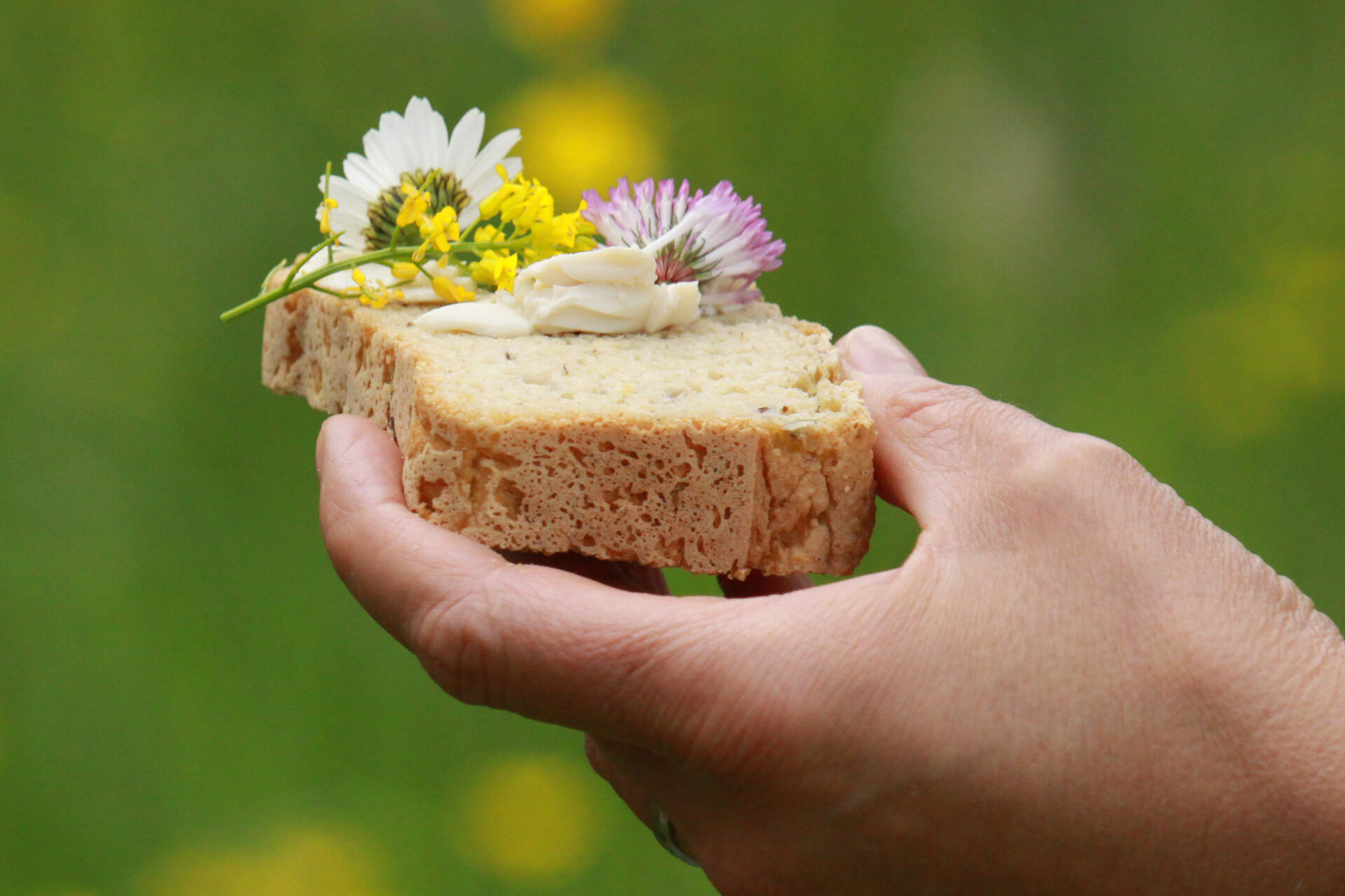
Why Bohinj Becomes a True Foodie Destination in the Spring
April in Bohinj never arrives quietly. It doesn’t tiptoe shyly across the edges of the meadows—here, it bursts into bloom with vigor and without restraint. With the scent of wet earth, the loud singing of birds, and that unstoppable feeling that nature has pressed the reset button.
When the last patches of snow recede from the shores of Lake Bohinj, what truly sets Bohinj apart from every other Alpine destination is revealed: its wild, foraged cuisine, which you won’t find in any Michelin-starred restaurant here, because it simply cannot be replicated elsewhere. A specific microclimate—cool nights, moisture rising from the lake, and the shelter of the Julian Alps—gives the plants an intensity of aroma that cannot be replicated in a laboratory.
For foodies, it’s simple: Bohinj in the spring is one of the few places in Europe where you can forage for an ingredient in the wild in the morning and find it on your plate that evening.
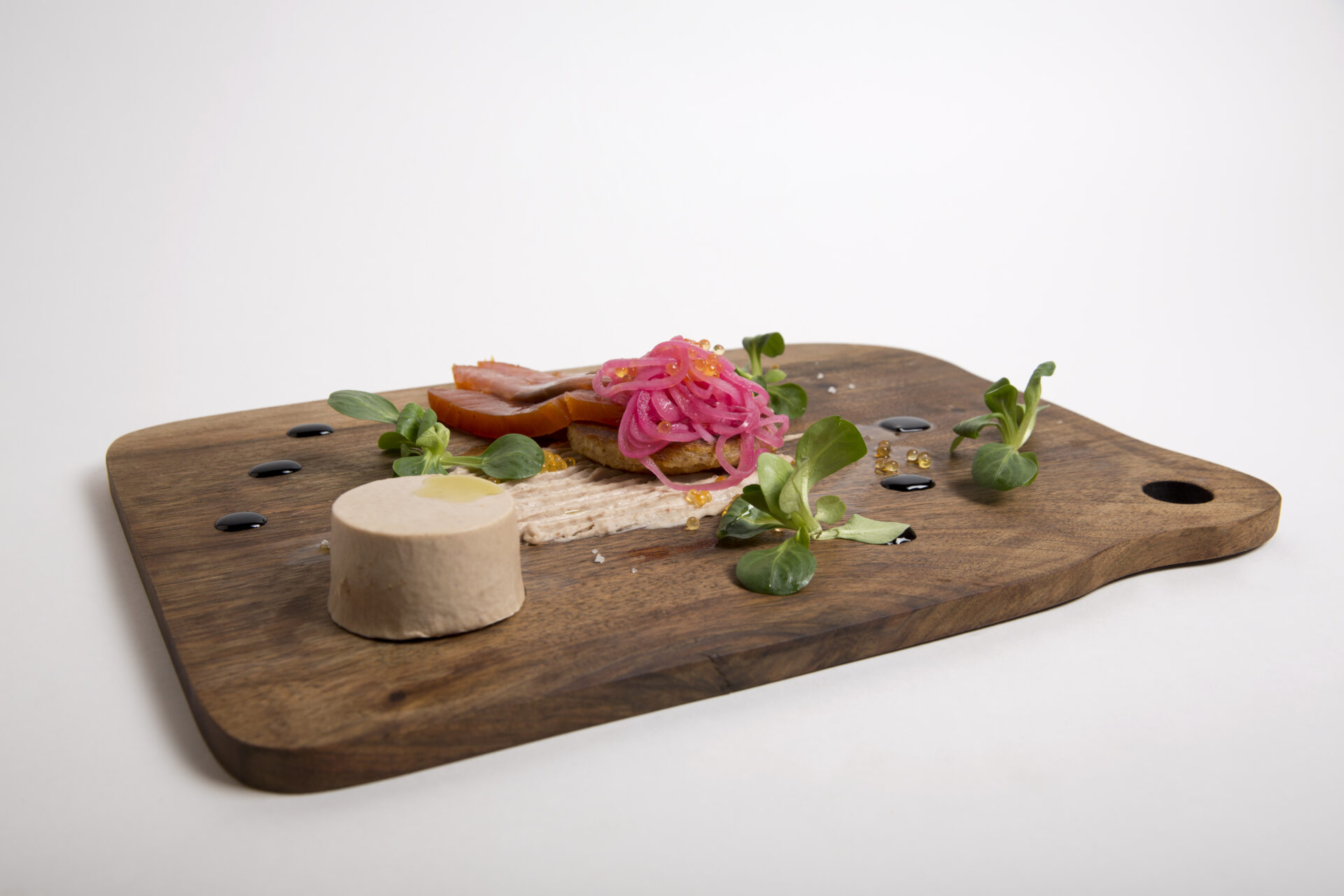
Wild Cuisine by Lake Bohinj: A Meadow as a Living Pantry
Foraging in Bohinj isn’t a trend sparked by Instagram. It’s a way of life passed down from generation to generation, and a tradition preserved longer here than in many other parts of the Alps. The Bohinj meadows aren’t just a backdrop—they’re a living archive of flavors.
Growing plants:
- The black elderberry (Sambucus nigra) is a plant with distinctive flowers that later develop into small berries. The flowers have a distinctive, aromatic flavor. The flowers are eaten fresh as a garnish for various dishes, used dried to make teas, and also used to produce alcoholic beverages.
- Angelica (Angelica archangelica) is a true rarity in Bohinj cuisine – an ancient plant with bittersweet flavour that is rarely found in modern gastronomy outside of Scandinavia. In Bohinj, it is candied, cooked in syrup, or dried for use in teas.
- Wild hops (Humulus lupulus) — young spring shoots, prepared like the finest asparagus. Blanched in butter, in risotto, or simply grilled with sea salt.
- Nettles, sorrel, thyme, dandelions, trumpet flowers, violets—each has its own season and its own role: from salads to syrups, from herbal teas to floral sorbets.
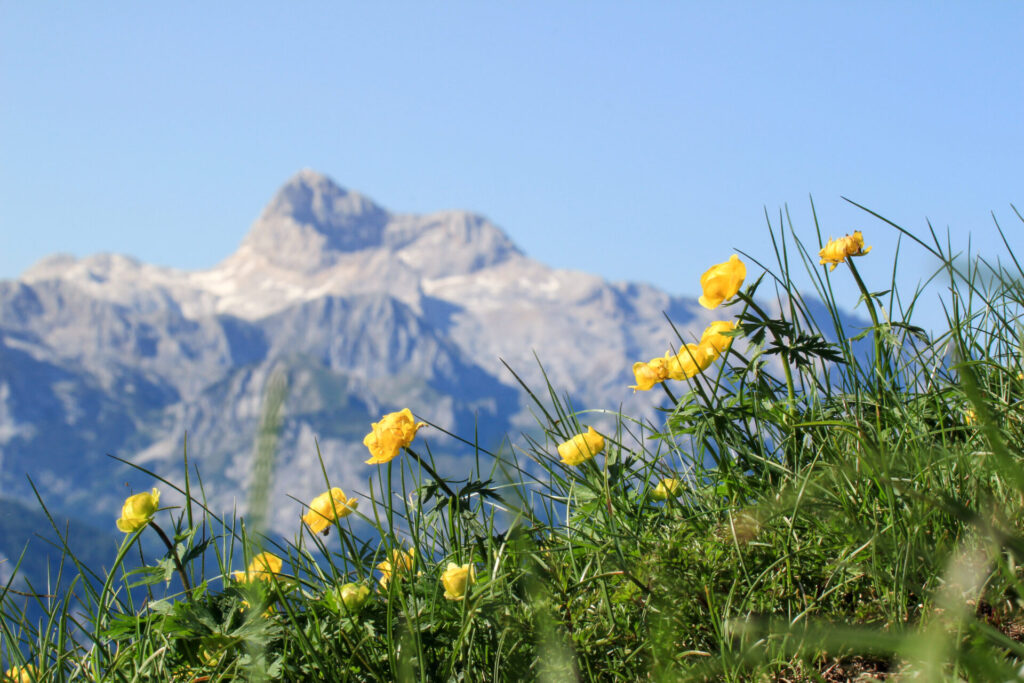
”On the meadow, I know when a plant reaches its full aromatic potential and when I need to leave it alone so it will bloom again next year. That knowledge is our most important secret.”
— local forager, Bohinj
International Wild Flower Festival 2026 – 20 Years of Botany, Tradition, and Wild Flavors
When: 22. May – 7th of June 2026
Where: Bohinj, on the shores of Lake Bohinj, Triglav National Park
Admission: free (some events require a fee)
Best for: nature lovers, foodies, families, botanists, photographers
The year 2026 is a special one for us. International Wild Flower Festival is celebrating its 20th anniversary — and that’s no small feat. What began as a local initiative to raise awareness about the biodiversity of the Bohinj meadows has grown into a unique European festival that attracts botanists, photographers, chefs, and nature lovers from all over Europe every year.
What the festival has to offer foodies
The festival isn’t just about botany. During these two weeks, Bohinj becomesthe largest open-air botanical garden—and food is part of the story at every turn:
- guided foraging tours led by expert guides through the meadows of the Triglav National Park,
- herbal workshops — from drying to fermentation,
- seasonal menus at restaurants in Bohinj (exclusively during the festival),
- tastings of local products bearing the “Bohinjsko / From Bohinj” label,
- photography tours through the blooming mountains for foodie photographers.
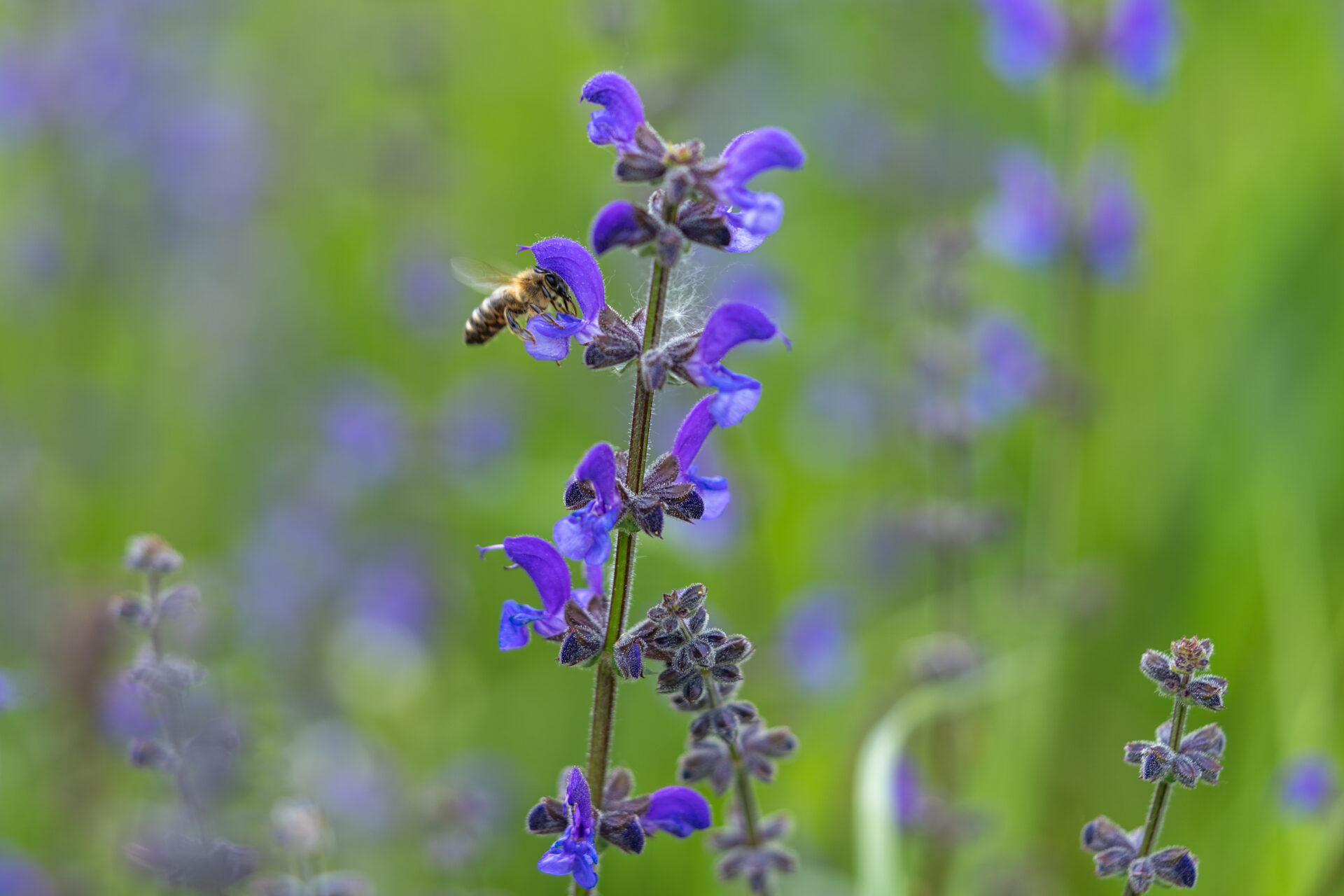
Bite Bohinj – Street Food experience
When: Saturday, May 23, 2026, 1:00 PM–7:00 PM
Where: Bohinj (on the shores of Lake Bohinj)
Admission: free
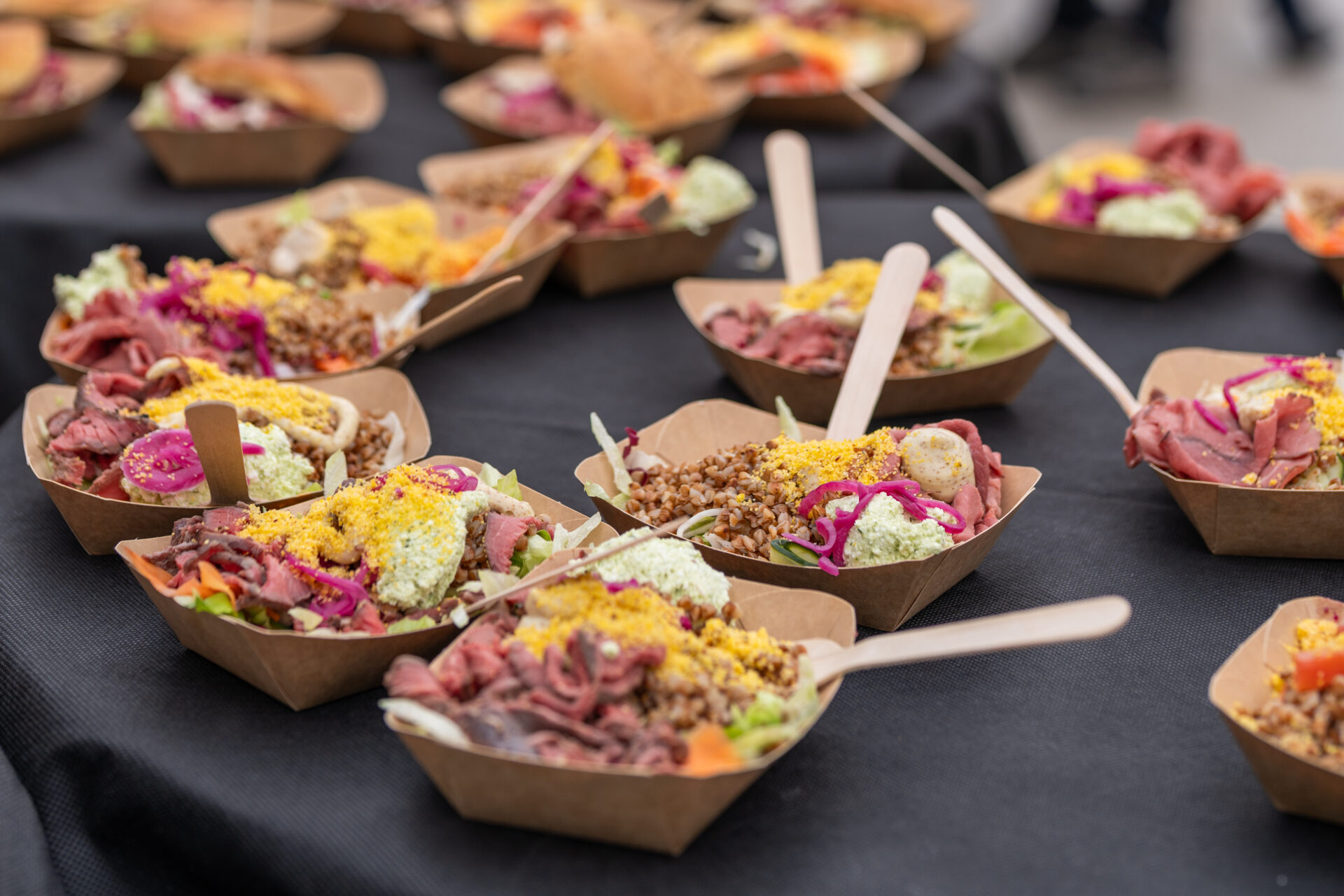
The highlight of the anniversary festival is a brand-new culinary experience: Bite Bohinj. This isn’t your average street food market. It’s a curated culinary experience where haute cuisine meets the laid-back vibe of street food—and where every dish carries the DNA of Bohinj.
What to expect on your plate
Local restaurateurs will offer dishes at aesthetically pleasing stalls made of natural materials, based on four pillars:
- Floral cuisine — dishes featuring edible flowers: violet sorbets, elderflower fritters, floral cream soups
- Wild foraged ingredients—wild garlic, angelica, wild hops, nettles—all gathered from the meadows and forests of Bohinj
- Local ingredients from Bohinj — cheeses, meat, honey, and dairy products with a seal of authenticity
- A sustainable approach — exclusively seasonal ingredients, no single-use packaging.
You can look forward to: herb wraps, floral desserts made with local milk, fermented beverages, risottos with wild hops, and many other dishes you haven’t tasted anywhere else. Catering will be provided by Gostilna pri Hrvatu, Gostišče Danica, Hotel Bohinj, Sunrose 7, and Divja jaga.
Flower Menus at Restaurants in Bohinj
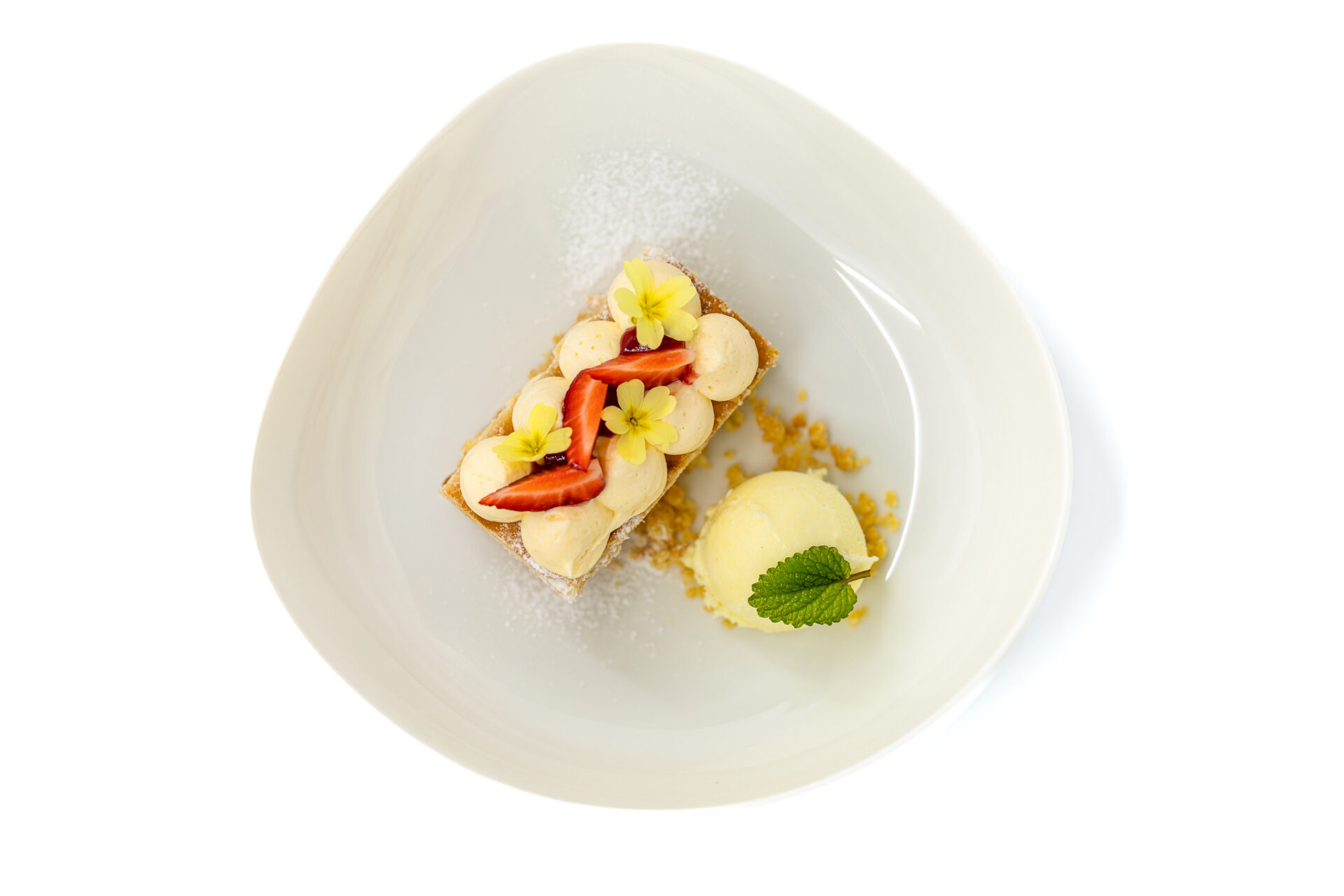
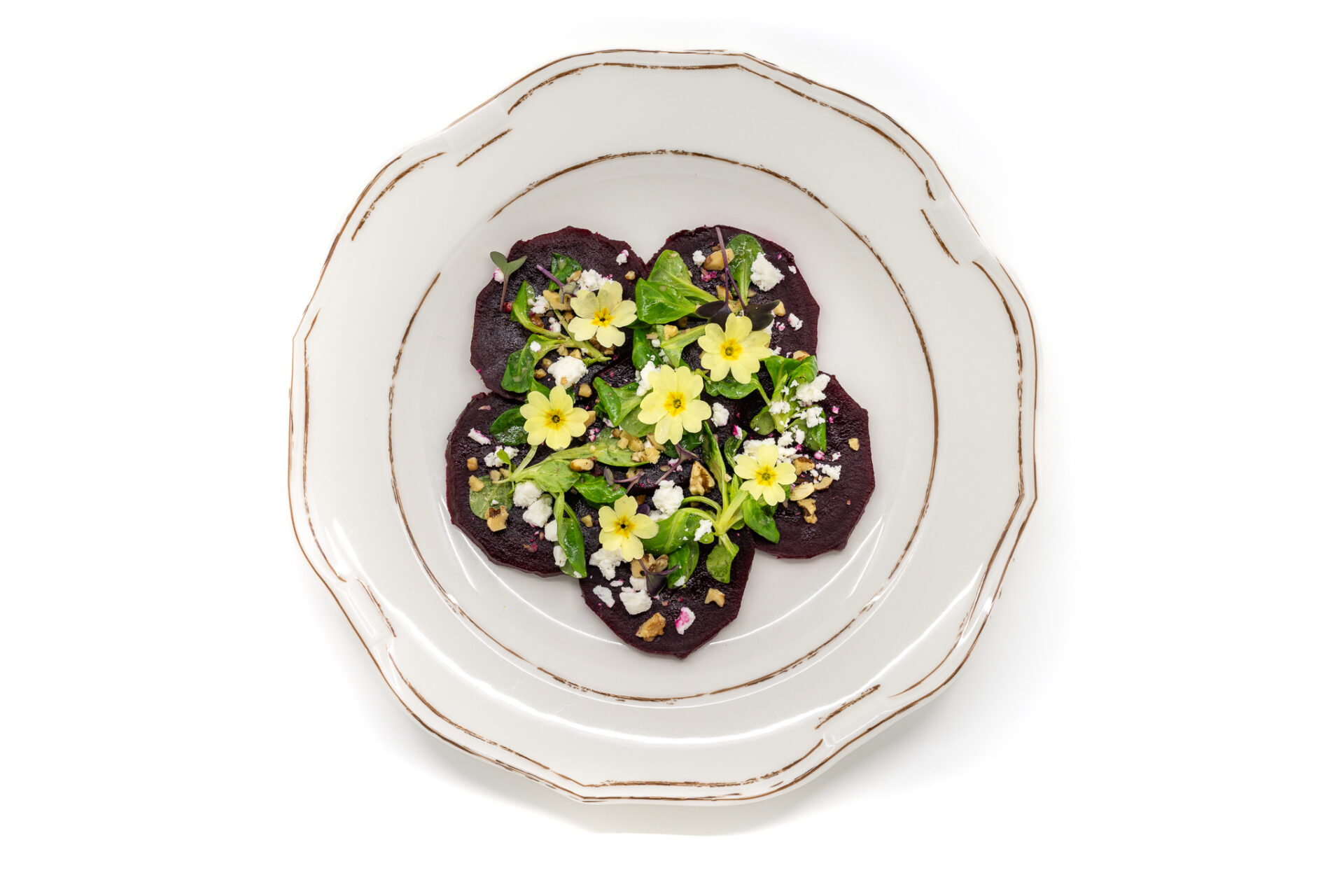
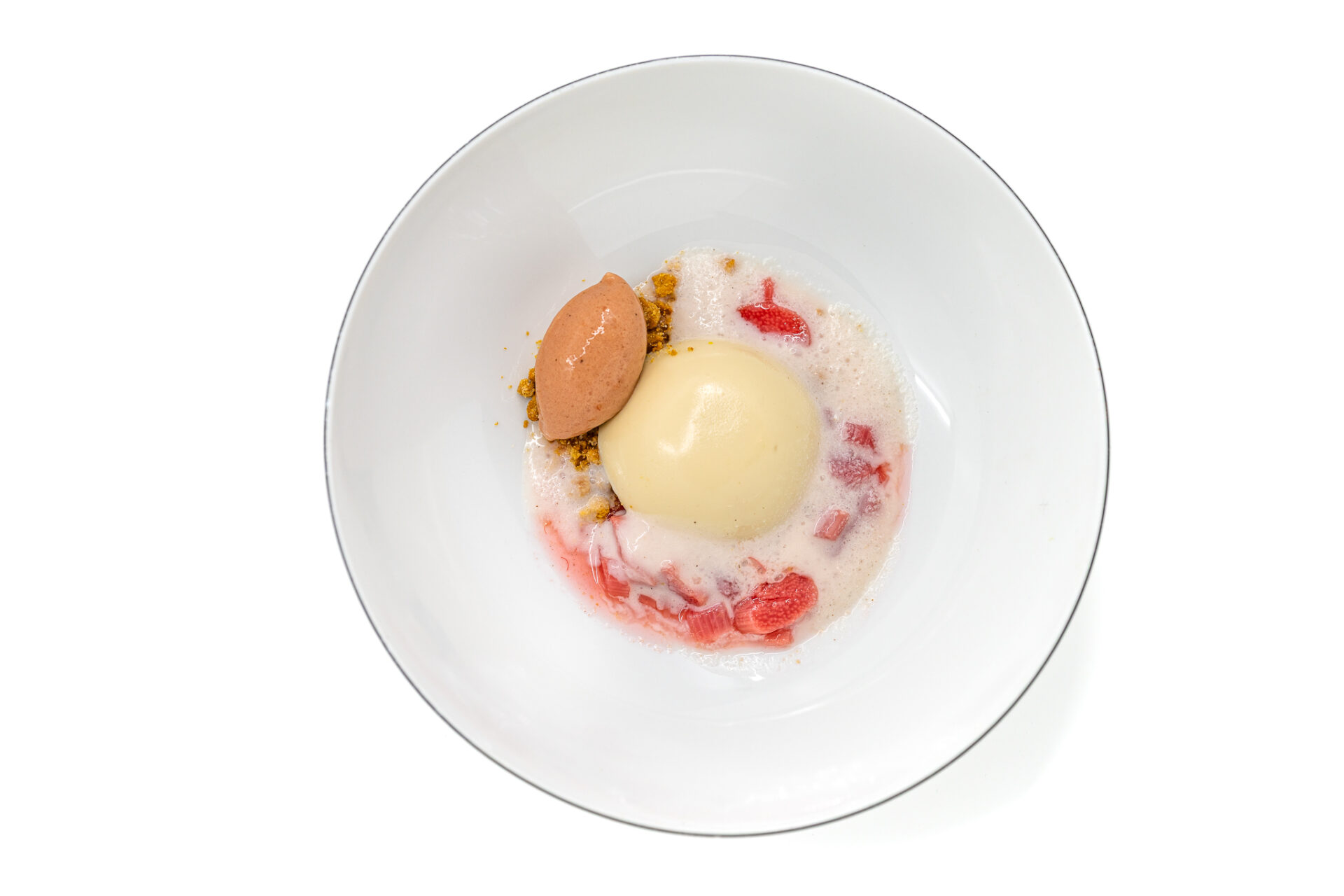
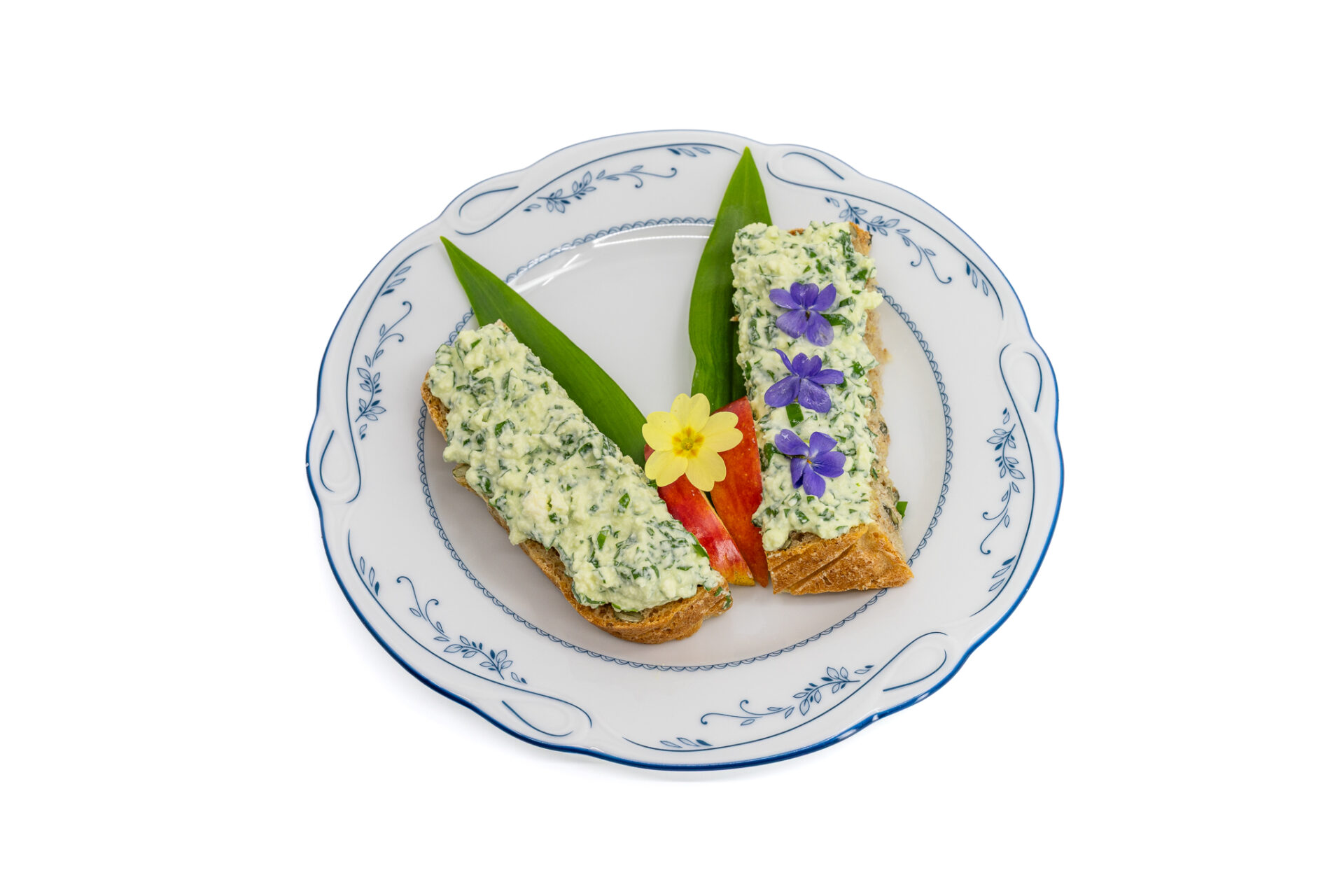
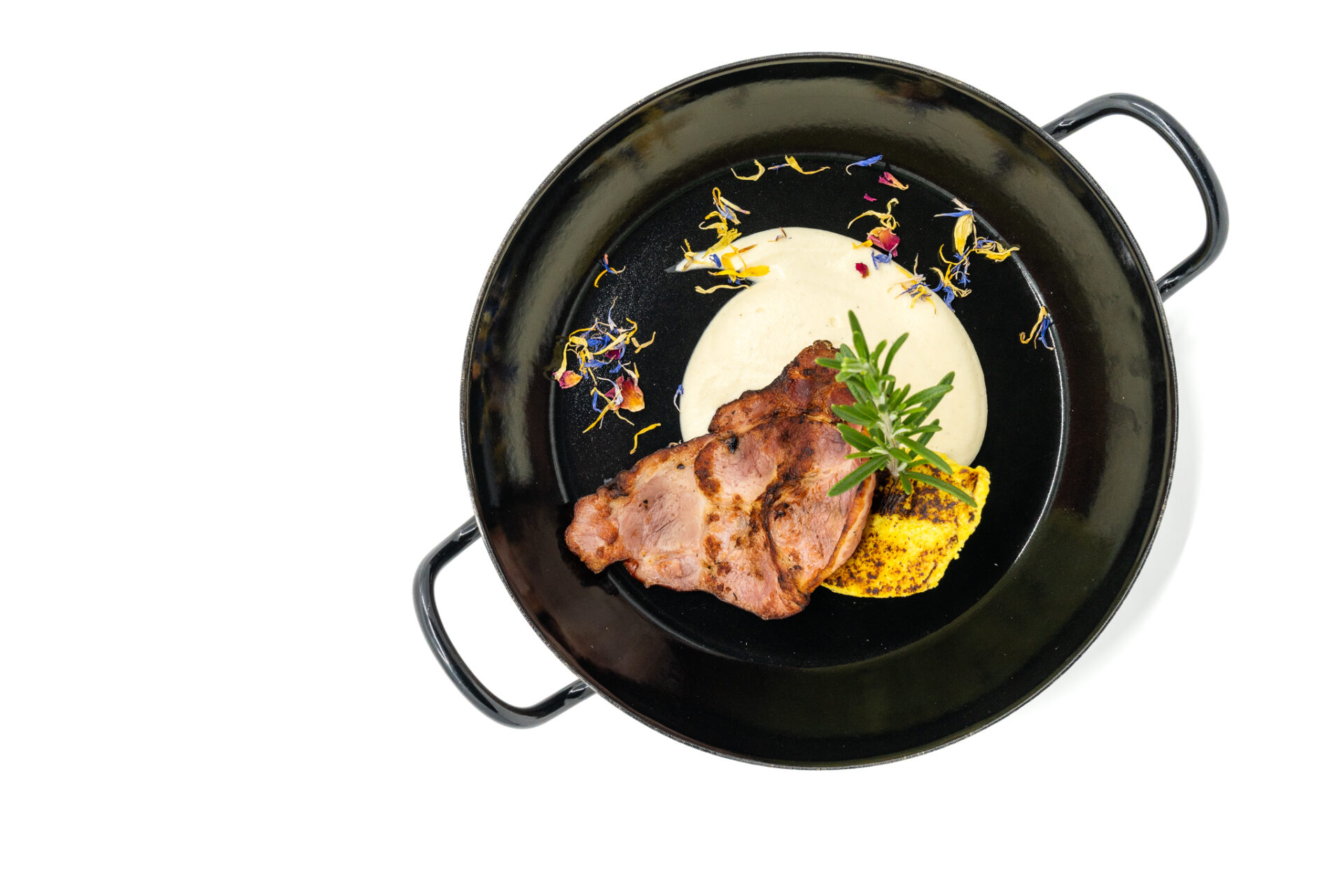
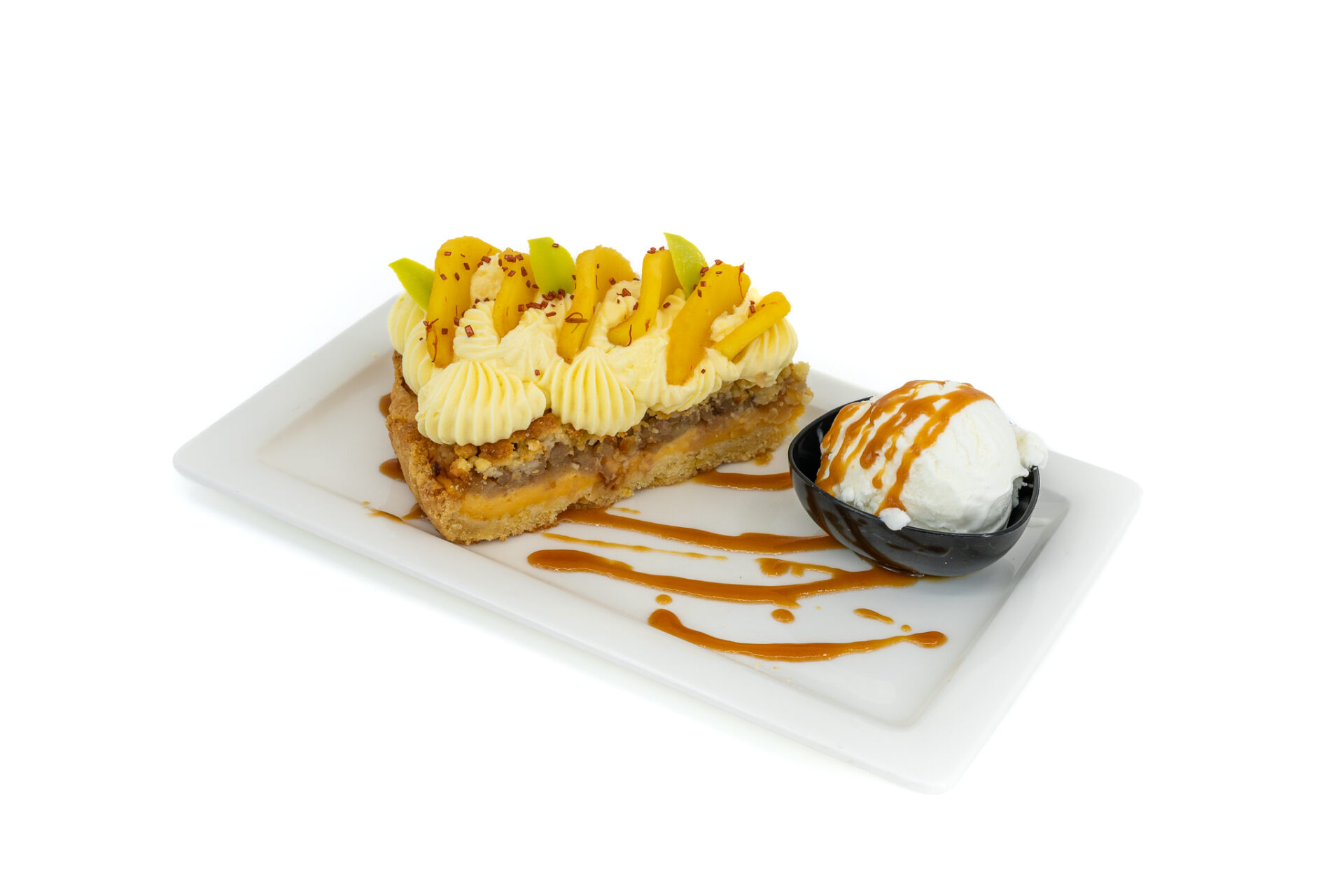
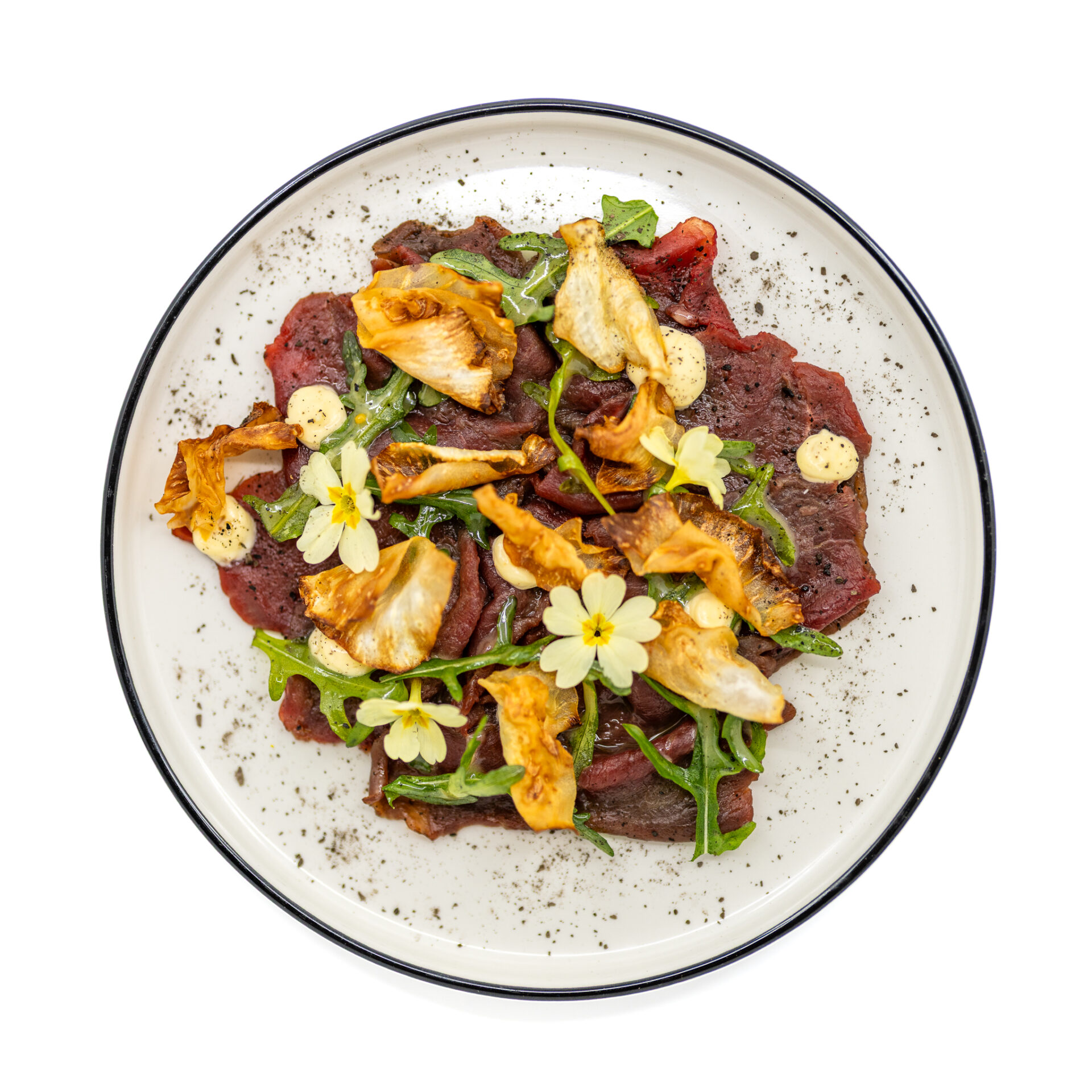
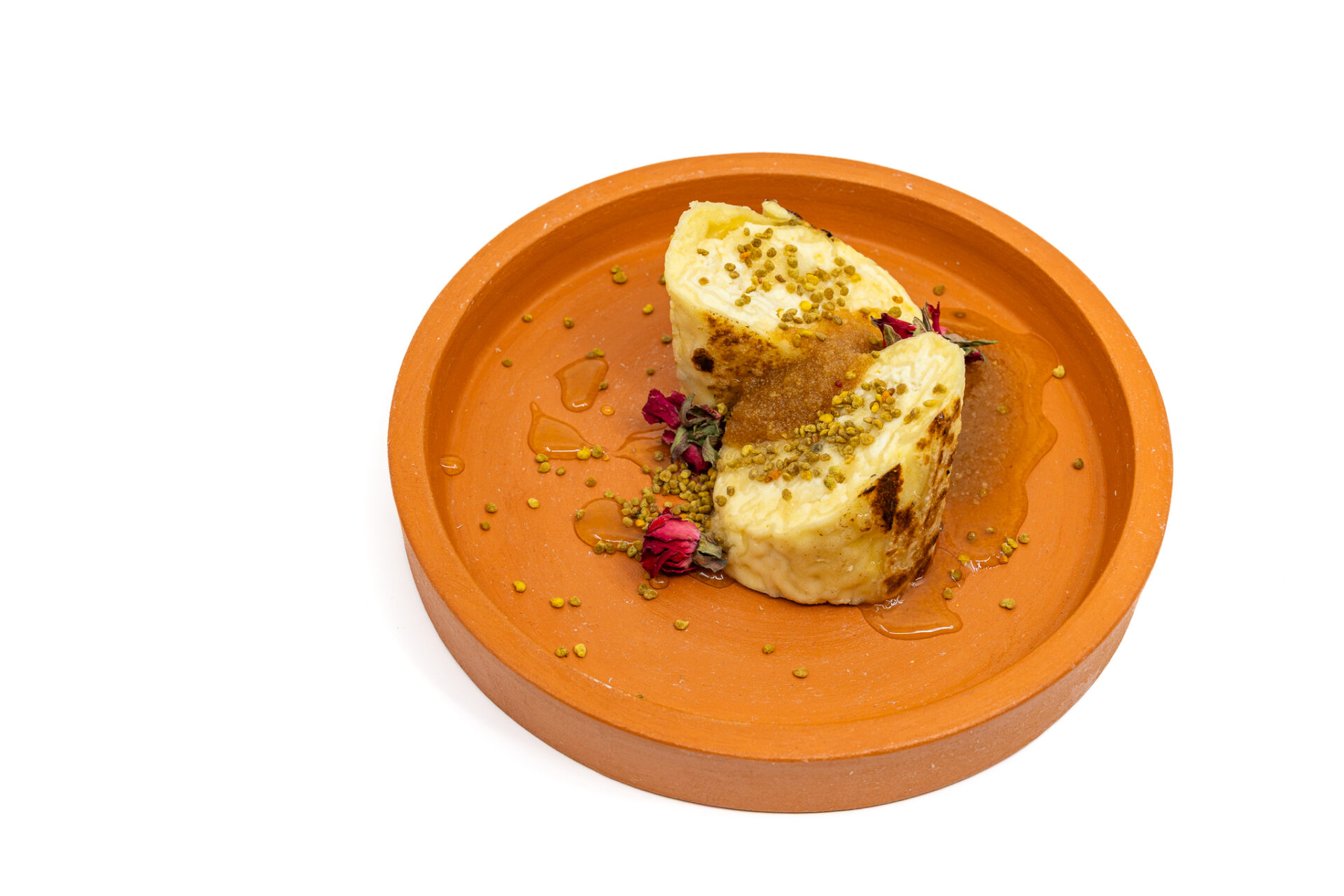
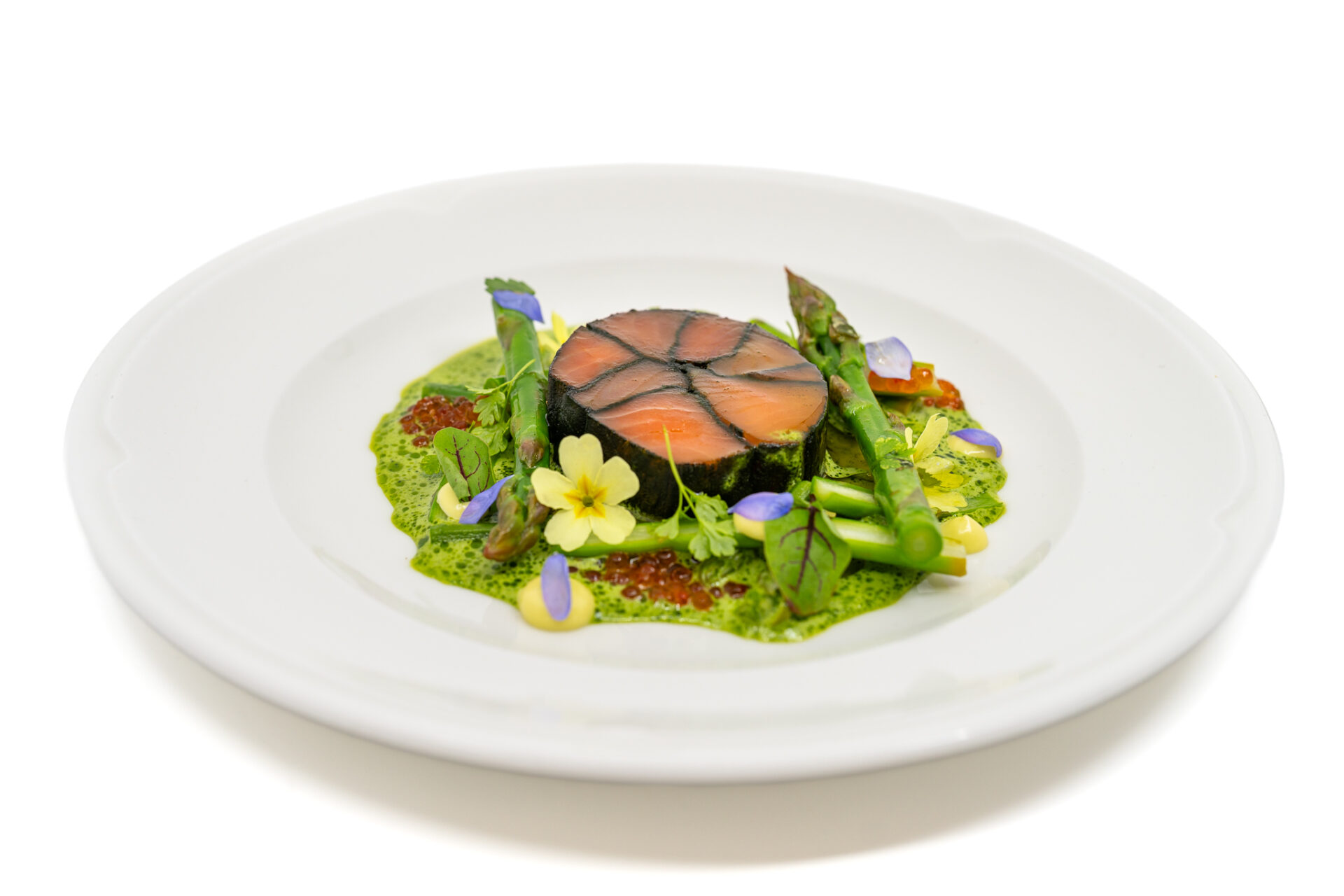
When nature blossoms, so do the kitchens of Bohinj. Floral menus are one of the most distinctive expressions of Bohinj’s culinary identity—and during the festival, they are offered at several local restaurants.
It’s not just about aesthetics, but about deep, complex flavors like:
- Young cheese with wild garlic and chives mixed in
- Wild violet sorbet with Bohinj honey
- Fried elderflowers with cottage cheese from a local farm
- Dill soup with angelica and walnut oil
- Floral Pavlova with Mountain Meadow Berries
The spirit of the “from field to fork” philosophy—what grows in the meadows of Bohinj ends up on a plate in Bohinj—is present in every bite.
Check out which local vendors are offering floral arrangements during the festival
A Practical Guide for Foodies
When to come
Period | Why |
|---|---|
April | Wild garlic, wild hops, the first greens—the natural rhythm of foraging |
May 22 – June 7 | International Wild Flower Festival — Full Program, Events, Menus |
May 23 | Bite Bohinj — don’t miss |
How to get there
Lake Bohinj is about a 1.5-hour drive or train ride from Ljubljana (Bohinjska Bistrica). During the festival, eco-friendly transportation is available within the valley.
Green Mobility and Parking in Bohinj
Where to stay
Choose accommodations labeled “Bohinjsko / From Bohinj”—a guarantee of local authenticity and a sustainable approach.
Accommodations in Bohinj during the festival
What to bring
- A basket for foraging (or borrow one from the guides)
- Thermos for herbal tea
- A good camera—flower-filled meadows and morning mist by the lake make for great photos
- An open mind for flavors you didn’t expec
Why Visit Bohinj in the Spring: A Quick Overview
- Foraging in Triglav National Park with local guides
- International Wild Flower Festival 2026 — 20th Anniversary, May 22 – June 7
- Bite Bohinj Street Food Event — May 23, 1:00 PM–7:00 PM
- Exclusive floral menus at local restaurants
- Lake Bohinj without the summer crowds
- Ingredients labeled “Bohinjsko” / “From Bohinj” — a guarantee of authenticity
This content is produced in collaboration with Turizem Bohinj. All information about the International Wild Flower Festival 2026 program is available on the festival’s official website.

